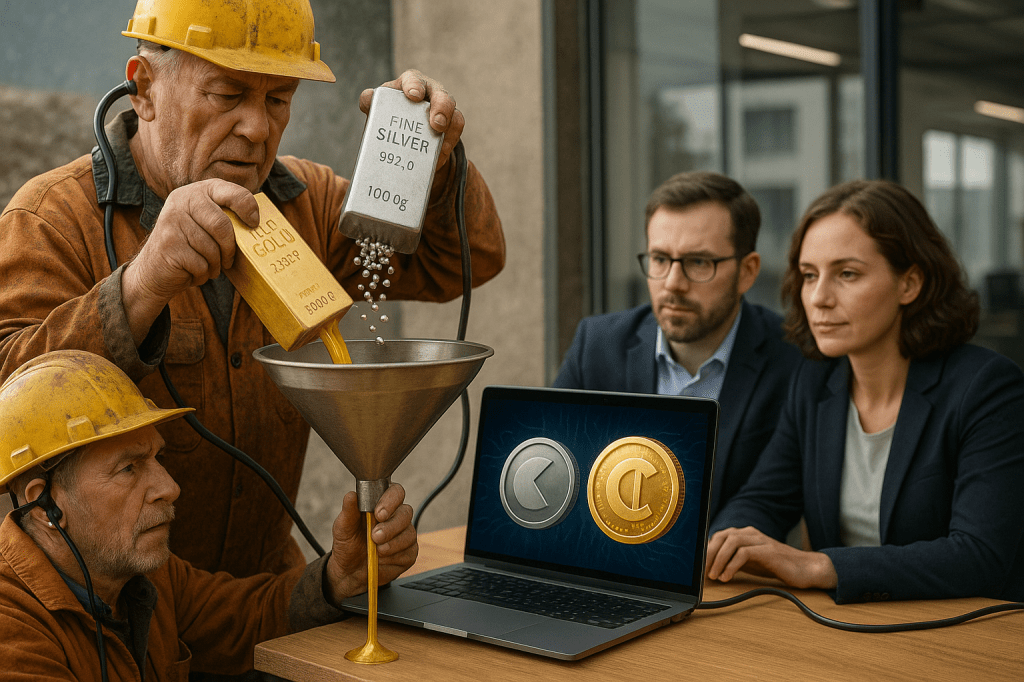
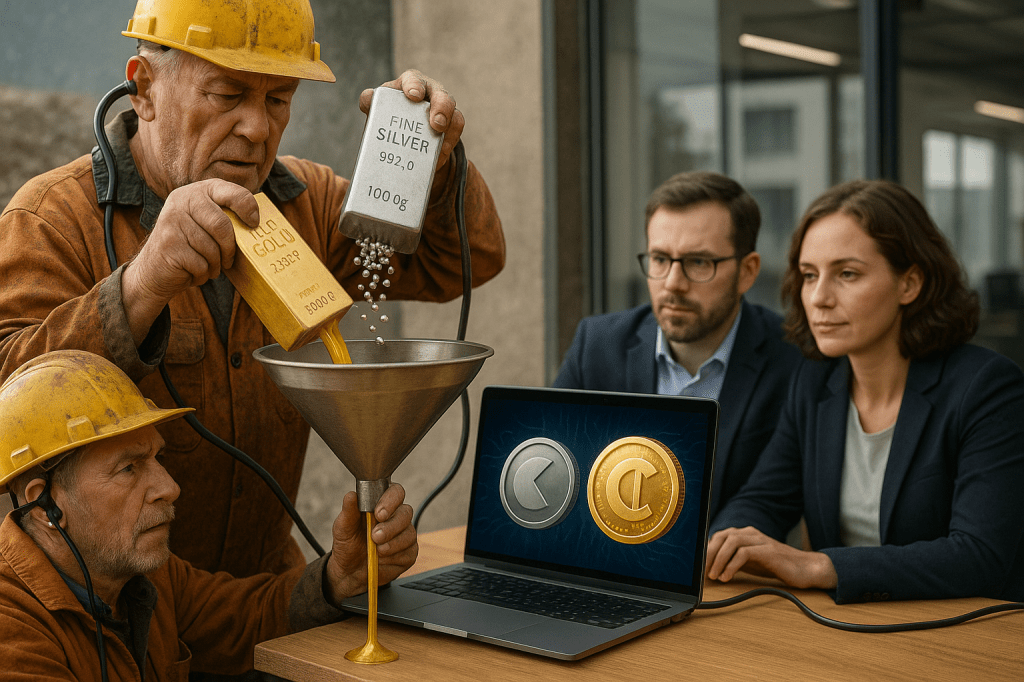
Los mercados de materias primas están entrando en una transición estructural. El oro, la plata, el cobre, el litio, el níquel, el cobalto e incluso los elementos de tierras raras están comenzando a migrar hacia la infraestructura de cadena de bloques. Esto no es un eslogan publicitario; es un rediseño lento pero real de cómo funcionan la propiedad, la liquidación y el uso de activos como colateral.
En 2026, lanzar é una serie de 52 semanas en BlockchainAIForum dedicada exclusivamente a los metales tokenizados—donde los activos duros se encuentran con los rieles digitales.
Por Qué Esto Importa Ahora
El oro tokenizado ha superado los $1,000 millones en circulación.
La plata tokenizada se acerca a los $200 millones.
Los metales industriales están en la fila siguiente.
La IA está transformando la exploración, la planificación minera y la visibilidad de las cadenas de suministro.
Los reguladores avanzan hacia marcos más claros para los activos digitales.
Para inversionistas, tesoreros y estrategas, los metales tokenizados combinan:
Respaldo físico verificable
Transparencia y auditabilidad en cadena
Liquidación global más rápida
Interoperabilidad con sistemas TradFi y DeFi
Lo Que Cubrirá Esta Serie
Metales preciosos en cadena (oro, plata, platino, paladio, rodio)
When you ponder commodity markets, do high-tech images flash across your mind’s eye? Probably not—and for good reason. Commodities markets are typically slow and lack innovation. That’s about to change! Gold, silver, platinum, palladium, copper, lithium, nickel, cobalt, and even rare earth metals are now beginning to move onto the blockchain—quietly, steadily, and with enormous long-term implications. Ironically, blockchain is poised to claim its title as one of the most transformative technologies by tokenizing society’s oldest real world assets—commodities. This is the moment blockchain fans have been anticipating—not silly crypto tokens, e.g., Pepe coin, Fart coin, and countless other nonsense. In 2026, this transformation will accelerate.
That’s why beginning January 7, 2026, I’m launching a new weekly series on BlockchainAIForum: 52 articles (perhaps more) dedicated exclusively to the rise of tokenized metals. Here we will explore the hard assets of yesterday, reinvented for the digital rails of tomorrow. Let’s start with why tokenized metals matter now.
Why Tokenized Metals Matter Now
Tokenized or not, metals matter. Essential for electricity, automobiles, computers, and countless other products, our modern society collapses in their absence. In fact, the U.S. Government keeps a list of 60 metals it considers critical to our economic welfare and security. Tokenizing ownership of metals for commerce is simply their next evolution. Consider this:
Gold has already passed $1 billion in tokenized value.
Silver is at nearly $200 million and climbing.
Copper, lithium, and energy metals are lining up next.
In other words: the tokenization of metals is already happening—right now—and the wave is still early. Moreover, AI has begun reshaping exploration and mining, and government regulation is pivoting from unclear to constructive.
With that as context, I say in a simple declarative sentence: the purpose of this series is to help you understand the future of metals and commodities on the blockchain, one week at a time.
Why I’m Writing This Series
I decided to write this series after discovering a gap in the market. The gap? No one is covering the tokenization of metals space comprehensively. The world is becoming digital, and so are commodities. Accordingly, investors today want assets that are:
real
transparent
portable
auditable
globally liquid
usable as collateral
compatible with both TradFi and DeFi
Tokenized metals check every box. Gold-backed tokens already operate on public ledgers. Silver tokens are emerging as a hybrid industrial–monetary asset class. Copper and lithium tokens could one day power EV supply chains. Institutions are quietly preparing for digital commodities. And tokenized assets are forecast to reach $10–15 trillion during the next decade. Most investors have no idea this is happening. This series will change that.
What This Series Will Cover
In 2026 the BlockchainAIForum will be exclusively dedicated to:
What to Expect Each Week — Free High-Quality Content
Every week you will receive content dedicated to tokenized commodities markets. The price? Free! Did I mention it’s free? Yes, free. Pick the media you prefer:
Deep, educational long-form articles on BlockchainAIForum.com
Short, fast LinkedIn versions
Micro-versions for Coinbase and other social media
Who This Series Is For
Are you a lifelong learner? Do you enjoy exploring big ideas? Does the idea of understanding emerging trends appeal to you? If you answered yes to any of those questions, this series is for you!
Investors
Advisors
Students of markets
Crypto newcomers
Metals analysts
Miners and engineers
Skeptics who demand real-world value
Readers curious about where technology is taking us next
2026 Will Be the Year of Digital Commodities
No surprise—gold was the first commodity to tokenize. After all, it is the world’s largest commodity asset. And as usual, silver, gold’s little brother, is right behind. Copper, lithium, nickel, and rare earth elements are lining up. That’s not all. The space has regulatory tailwinds. Mining has policy support for economic and security reasons. AI technology is transforming mining. And blockchain is transforming ownership.
In other words, the world is moving toward a future in which metals, not just money, live on digital rails. Let’s explore that frontier together.
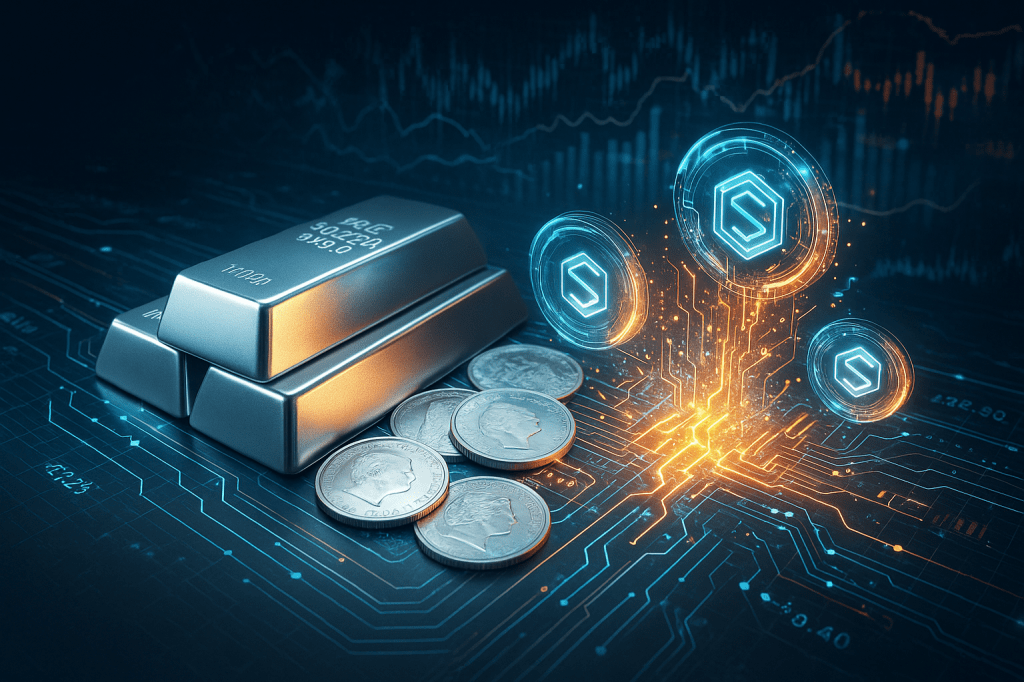
Gold has captured the attention of the Real World Asset (RWA) market, but silver—its undervalued little sister, that is both money and industrial metal, is quietly entering the blockchain era. Listen, tokenized silver is no longer a distant idea. It already exists, with several companies offering blockchain-based silver tokens backed by physical metal. The real question now is “how big will this market become, and how soon?” That’s why I want to share what tokenized silver is, who’s doing it, why it matters, and when it might enter mainstream adoption.
What Is Tokenized Silver?
Tokenized silver is a digital representation of real, vaulted silver on a blockchain. Each token ideally reflects:
– One ounce (or gram) of physical silver – Stored securely in audited vaults – Fully redeemable – Instantly transferable across borders
The total tokenized silver market currently sits around $180–190 million—small, but no longer hypothetical. The overall tokenized precious-metals sector is estimated above $1 billion and growing.
Silver Tokenizers Step Forward and Reveal Yourself!
1. Kinesis Silver (KAG) Each KAG token is backed by one ounce of physical silver. Kinesis stores the metal in audited, insured vaults worldwide. It aims to reintroduce silver-backed currency in modern digital form.
2. SilverToken (SLVT) SLVT represents ownership of physical silver held in multiple privately owned vaults. Tokens are redeemable for real silver or convertible back into USDC. A portion of transaction fees buys additional silver to strengthen backing.
3. Wealth99 Silver Token Each token represents one ounce of silver, with full physical backing and vault guarantees. Wealth99 emphasizes fractional ownership, allowing very small purchase sizes.
4. Ainslie Bullion – AGS Token AGS is backed by one gram of vaulted silver and is part of a larger suite of tokenized metals. It’s popular in Australia as a gateway to fractional precious-metal ownership.
These platforms are all operating, audited, and offering real metal-backed digital assets right now.
Why Tokenize Silver?
There are several compelling reasons:
1. Silver’s Dual Role: Industrial + Monetary Silver is both an industrial workhorse (solar, electronics, medical applications) and a centuries-old monetary metal, dating back to the Romans. Tokenization blends these strengths with the technology of blockchain.
2. Fractional Ownership and Liquidity Tokenized silver allows: – Borderless trading – Fractional ownership (as little as 0.01 oz) – 24/7 liquidity – Integration with DeFi lending and collateral systems
3. Transparency and Auditability Many projects publish vault audits, proof-of-reserves, and on-chain issuance logs. For investors skeptical of “paper silver,” this transparency is an upgrade but no replacement for physical possession.
Challenges and Risks
1. Custody and Counterparty Risk The biggest question: can the token truly be redeemed for silver? Answer–everything hinges on proper vaulting, insurance, and legal clarity.
2. Regulation Tokenized silver sits at the intersection of commodities, securities regulation, and crypto law. Does this slow institutional adoption? Yes. However, now that the SEC and CFTC are pro-innovations, there is room for optimism.
3. Liquidity Full disclosure–current liquidity is modest. Tokenized silver is a fraction of the global silver market. Trading depth must increase before large institutional flows are possible.
So… When Will Tokenized Silver “Arrive”?
Technically, it already has. The infrastructure is live. But mainstream adoption will depend on:
– Regulation – Institutional custodians adopting tokenized metals – On-chain liquidity and exchange support – Integration into DeFi collateral markets
0–3 Year Outlook – More exchanges list silver-backed tokens – Better on-chain audits and redemption pathways – Improved liquidity
3–5 Year Outlook – Institutional-grade silver-backed stablecoins – Multi-metal baskets (gold + silver + copper) – Cross-market tokenized commodities funds
Silver tokenization is moving from experimental to established. The next phase will focus on scale, regulation, and trust.
Time to Go But First a Final Thought
Tokenized silver is not science fiction. It exists, it’s working, and companies like Kinesis (KAG), SilverToken (SLVT), Wealth99, and Ainslie’s AGS are proving the model today. Its future depends on expanding liquidity, strengthening trust, and building regulatory clarity. As the RWA sector matures, silver could become a foundational asset class on the blockchain—providing a bridge between industrial demand, physical scarcity, and digital programmability. For investors who appreciate both hard assets and blockchain efficiency, tokenized silver could become a powerful hybrid store of value.
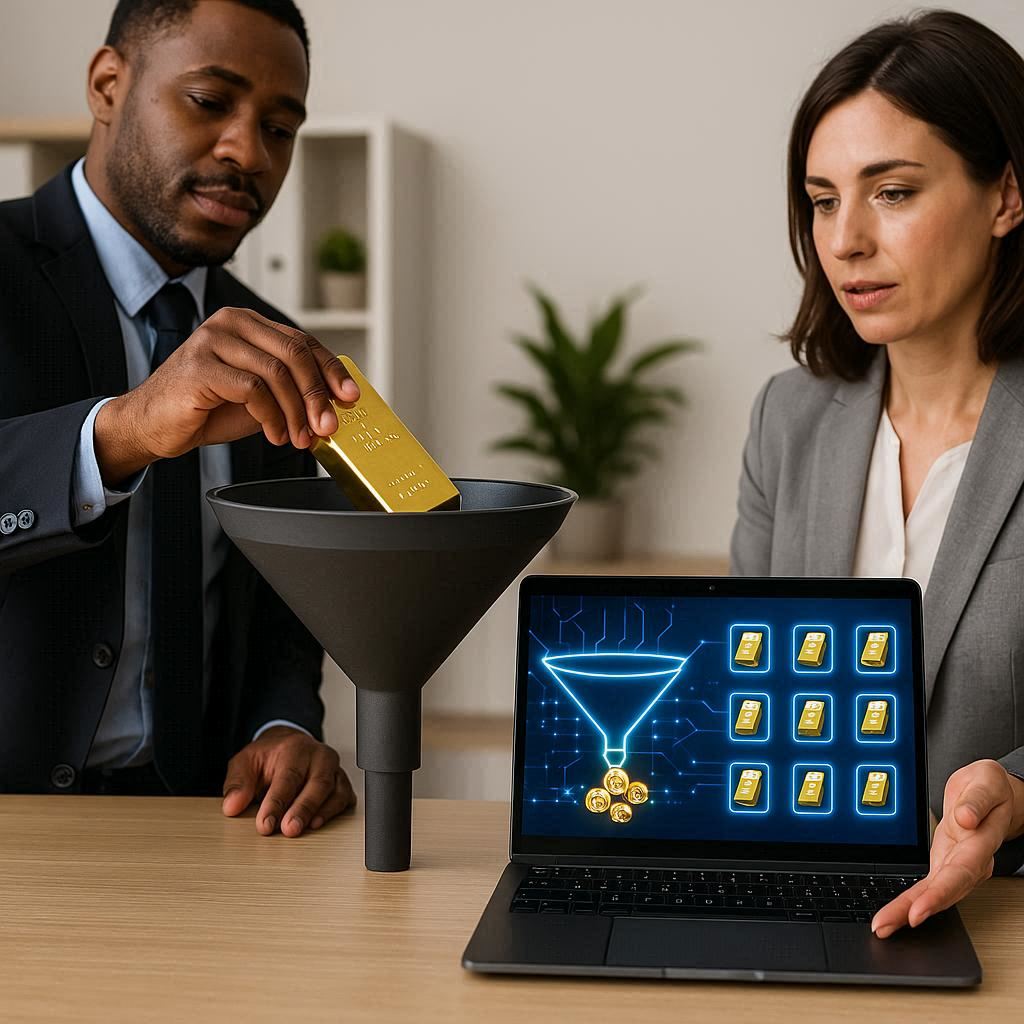
Long before there were governments, banks, or stock brokers, gold was a universal store of value, a hedge against chaos, and a cornerstone of global wealth. When Columbus stepped onto San Salvador, (Bahamas today), indigenous people were using it even though they had no contact with Europeans, Asians, or Africans! Fast forward to 2025 and gold is stepping into the digital revolution through tokenization — a process that turns tangible gold into blockchain-based assets. Hope, you like the image above–I couldn’t resist the shine! lol. Let’s explore what tokenized gold is, how it works, its advantages and risks, and how you can buy it.
What Is Tokenized Gold?
Tokenized gold is a digital representation of physical gold stored in a secure vault. Each blockchain token corresponds to a fixed quantity of real gold — for example, one token per troy ounce or per gram. It’s essentially “physical gold + digital convenience.” Yesterday plus today! Instead of storing bars yourself, (a dangerous proposition) you hold a blockchain token backed by gold that a trusted custodian safeguards. Example: Tokens such as PAX Gold (PAXG) and Tether Gold (XAUT) represent legally redeemable ownership rights in physical gold stored in London or Switzerland. With me so far? Good, then let’s discuss how tokenized gold works.
How Does Tokenized Gold Work?
The five step sequence below is how the ecosystem functions. Essentially, this blend of blockchain transparency and physical backing gives investors a bridge between traditional assets and digital finance. Old gold bugs, sound money supporters, and young millennials can bond!
Gold acquisition: The issuer purchases and stores gold bars in accredited vaults.
Token issuance: Smart contracts mint tokens (often, but not exclusively, on the Ethereum network) that represent the stored gold.
Trading and transfer: Tokens can be traded 24/7 on crypto exchanges or used in DeFi platforms as collateral.
Auditing: The issuer publishes proof-of-reserve or third-party audit reports confirming every token is backed by real gold.
Redemption: Token holders may redeem tokens for physical gold or fiat value, depending on the issuer’s rules.
Advantages of Tokenized Gold
Tokenized gold merges the security of gold with the flexibility of crypto thus making it a winner. In essence, tokenized gold gives you instant liquidity, borderless mobility, and verified backing. The six reasons below should convince anyone:
Fractional ownership: You can buy tiny portions of gold — even milligrams — democratizing access.
High liquidity: Tradeable 24/7 on exchanges, unlike traditional gold markets that close daily.
Transparency: Blockchain records all transactions; most issuers provide public audits of gold reserves.
No physical storage hassle: Custodians handle vaulting and insurance while you manage digital keys.
Global reach: Anyone with internet access can invest, regardless of geography.
DeFi integration: Tokenized gold can be lent, borrowed, or used as collateral in smart contracts.
Disadvantages of Tokenized Gold
Despite the strong arguments for tokenized gold, let’s be honest, tokenization isn’t a perfect replacement for physical gold ownership. As always, do your own due diligence — trust, verification, and transparency matter as much as the gold itself. Consider these drawbacks:
Custodial risk: You must trust that the issuer’s vault actually contains the gold it claims. Use a reputable custodian.
Smart contract vulnerabilities: Bugs or hacks could impact your tokens.
Regulatory uncertainty: Laws governing tokenized commodities differ across countries. The good news is everyday uncertainty diminishes.
Redemption limits: Many issuers require high minimums or fees for physical withdrawal. I would love to have this problem–high quantities! lol.
Market volatility: Gold’s price can fluctuate, and so will the token’s value. However, market volatility applies equally to physical ownership also.
Where and How to Buy Tokenized Gold
Persuaded? If the answer is yes, consider using these ideas to purchase tokenized gold safely:
Research issuers and audits. Confirm the custodian, vault location, and audit frequency.
Choose a token:
PAX Gold (PAXG) – 1 token = 1 troy ounce of gold held by Paxos in London vaults.
Tether Gold (XAUT) – 1 token = 1 troy ounce of gold stored in Swiss vaults.
Select a platform: Tokens trade on major exchanges like Binance, Kraken, or Bitstamp. Not an endorsement.
Use a compatible wallet: Most tokenized gold runs on Ethereum (ERC-20), so use MetaMask, Ledger, or Trust Wallet. Again, not an endorsement.
Verify proof-of-reserves: Reputable issuers publish audits or on-chain verification data.
Consider redemption: Some issuers allow redemption for physical gold or cash once minimums are met.
Conclusion
Tokenized gold transforms the world’s oldest safe-haven asset into a liquid, programmable, and globally accessible form and that’s the reason for loving it! It allows investors to combine the enduring value of gold with the efficiency of blockchain. Yet, it’s not risk-free: smart-contract flaws, custodial opacity, or unclear regulations can all erode confidence. Tokenized gold sits at the intersection of trust and technology, and success depends on maintaining both. As the world continues merging traditional assets with blockchain infrastructure, tokenized gold offers a glimpse of how digital finance can modernize centuries-old stores of wealth.
On October 22, 2025, T. Rowe Price — the venerable U.S. asset manager with roughly US $1.7–1.8 trillion under management — submitted a Form S-1 registration statement with the U.S. Securities and Exchange Commission (SEC) for its new T. Rowe Price Active Crypto ETF. This filing marks a significant step: a legacy investment-firm stepping decisively into the digital-asset arena with an actively managed exchange-traded product dedicated to multiple cryptocurrencies. In other words, T. Rowe Price has moved from Baltimore to the Blockchain!
What’s the Fund All About?
The proposed fund — to be listed on NYSE Arca — is structured as a trust offering shares that trade like stocks, representing fractional interests in a diversified crypto-asset portfolio. Let’s breakdown what that means:
Investment Objective: To outperform the FTSE Crypto US Listed Index over a long-term horizon (one year plus). That makes it an active product, not a passive tracker. To pull this off, T. Rowe Price would have needed to build internal staff capacity. Did it? Apparently, yes–the firm posted a senior analyst role in its Middle Office Trade Management for Digital Assets Operations, in Baltimore, 2025.
Active Strategy: The fund may hold between five and fifteen crypto assets under normal conditions. Managers can adjust exposure based on valuation, momentum, and risk analysis. Essentially, only the top 5 – 15 as defined by market cap.
Eligible Assets Only: Holdings must meet strict criteria — commodity tokens traded on compliant markets with adequate surveillance and liquidity. The proposed Clarity Act, making its way through Congress will play an important part regarding eligible assets.
No Leverage or Derivatives: The fund will not employ leverage or inverse positions.
Structure and Custody: Organized as a trust (not a 1940-Act investment company). Shares trade on NYSE Arca, with an indicative value published every 15 seconds.
Why It Matters — From Traditional Funds to Crypto Entry
For the blockchain and crypto community, this filing is a landmark moment. T. Rowe Price’s entry signals that mainstream institutional managers are taking digital assets seriously. Unlike most crypto ETFs that simply track Bitcoin or Ethereum, this one uses active management — giving the portfolio team discretion to select and weight different tokens dynamically. It’s designed as a regulated bridge between traditional finance and blockchain-based assets.
For blockchain infrastructure developers, this move suggests that custody, trading, and compliance systems are finally maturing to meet large-scale institutional standards. Every step toward a product like this strengthens the backbone of the crypto ecosystem.
Potential Benefits and Opportunities
Simplified Access: Investors gain exposure to a diversified basket of crypto assets through a single exchange-listed fund — no self-custody required.
Active Management Edge: Skilled managers can tilt allocations toward assets they believe have stronger fundamentals or momentum.
Diversification: Exposure to up to 15 tokens reduces single-asset risk and allows tactical rotation.
Infrastructure Impact: Large-scale ETFs increase demand for professional custody, reference pricing, blockchain data analytics, and compliance tools.
Legitimacy Signal: A major traditional asset manager’s crypto launch helps normalize digital-asset investing for institutional audiences.
Key Risks — Read the Fine Print
As the S-1 makes clear, this product also carries real risk:
Volatility: Crypto assets remain highly volatile and can experience dramatic drawdowns.
Operational Risk: Eligibility, liquidity, and valuation challenges for newer tokens could affect performance.
Regulatory & Tax Uncertainty: Evolving crypto regulation could impact fund operations, tax treatment, or asset legality.
No 1940-Act Protection: The trust is not a registered investment company, so it lacks certain mutual-fund safeguards.
Index and Benchmark Risk: The FTSE Crypto Index is new; results may differ sharply from passive benchmarks.
What To Watch Next
SEC Approval: Filing does not equal approval. The SEC will review structure, custody, and disclosure rigorously.
Final Details: Investors await the official ticker symbol, expense ratio, and custody provider.
Portfolio Disclosure: How active management plays out — which tokens are chosen and how often rebalanced — will define the fund’s edge.
Infrastructure Ripple Effects: Increased demand for secure custody and compliant trading across multiple token networks.
Competition: The fund joins an expanding lineup of crypto ETFs; differentiation will depend on performance and costs.
Final Thoughts
The T. Rowe Price Active Crypto ETF represents another bridge between the old world of finance and the emerging digital economy. For nearly a century, T. Rowe Price has managed traditional portfolios; now it is turning its analytical discipline toward digital assets. For investors, this product could provide a balanced, regulated entry into crypto exposure. For the blockchain-AI community, it highlights how institutional design — custody, audits, compliance, token vetting — is evolving alongside decentralized innovation. As we await SEC approval, all eyes will be on how T. Rowe Price implements its active strategy and whether it can truly deliver alpha in the notoriously volatile crypto landscape. Did T.Rowe Price wait too long? Time will tell!


 Blockchain & AI Forum