
Bienvenido al BlockchainAIForum
por Yogi Nelson
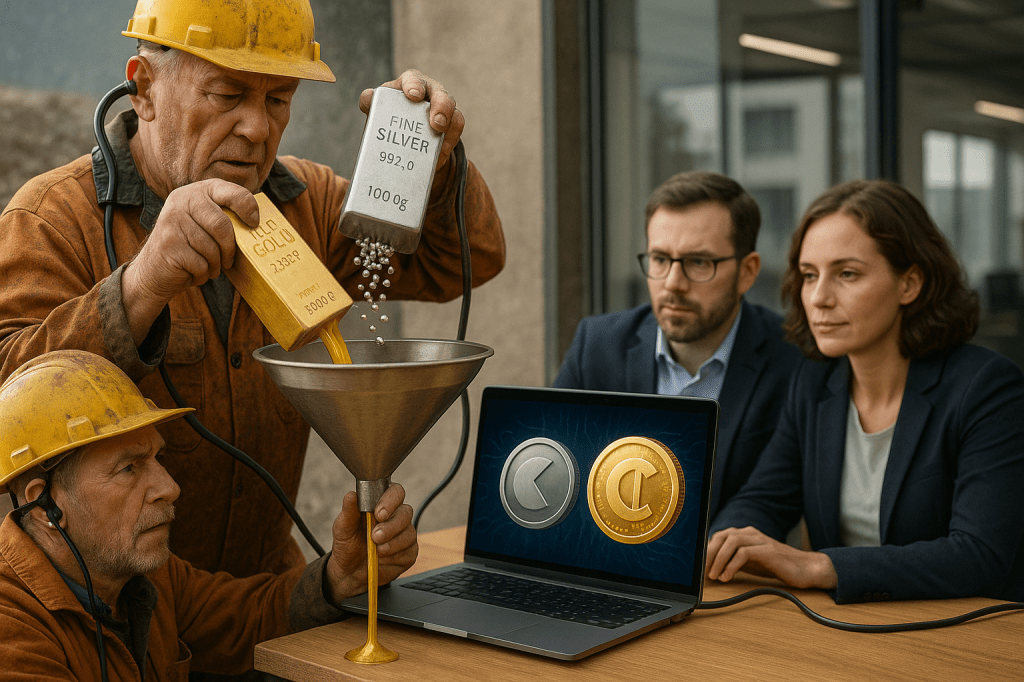
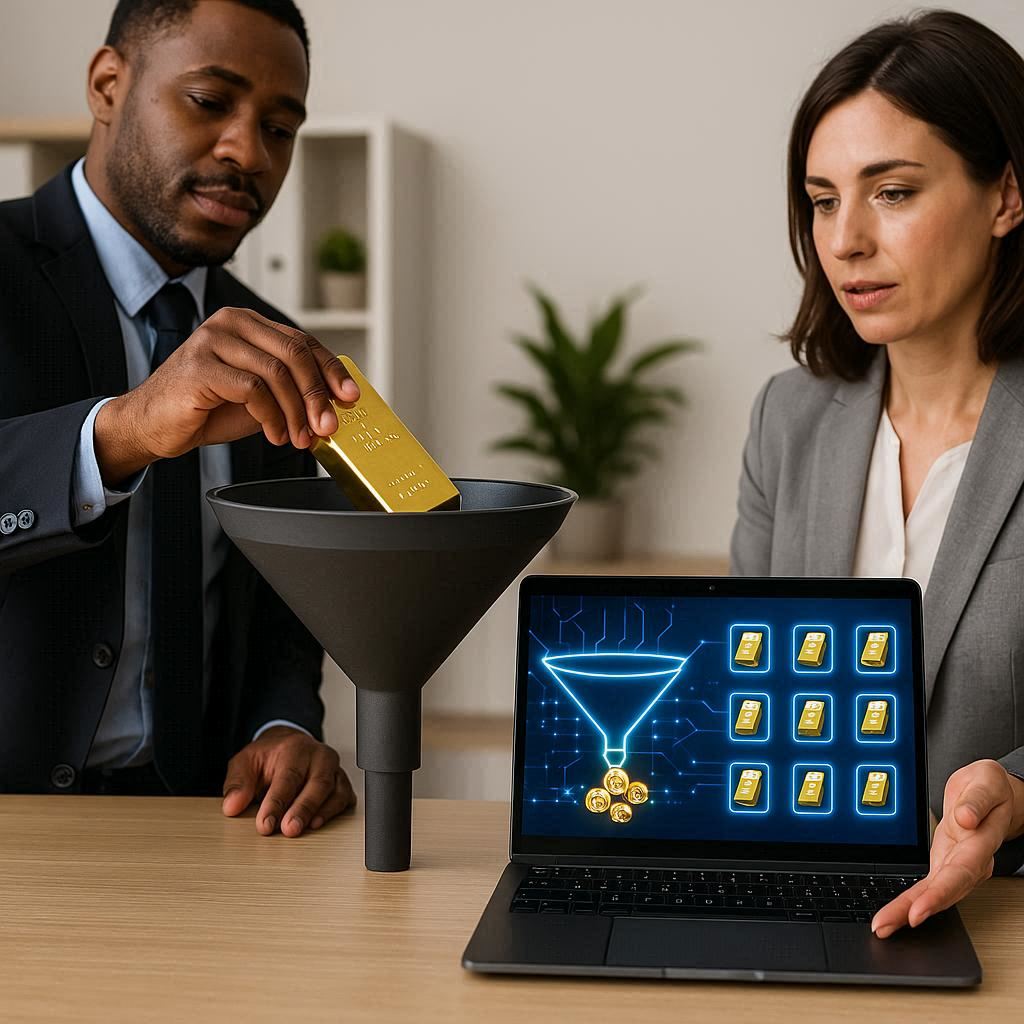
Cuando piensas en los mercados de materias primas, ¿te vienen a la mente imágenes de alta tecnología? Probablemente no—y con razón. Los mercados de materias primas suelen ser lentos y carecen de innovación. Eso está a punto de cambiar—¡y rápido! Oro, plata, platino, paladio, cobre, litio, níquel, cobalto e incluso los metales de tierras raras están comenzando a moverse a la blockchain—de manera silenciosa, constante y con enormes implicaciones a largo plazo. Irónicamente, la blockchain está lista para reclamar su título como una de las tecnologías más transformadoras al tokenizar los activos reales más antiguos de la sociedad. Este es el momento que los fans de la blockchain han estado esperando—no los tokens ridículos como Pepe coin, Fart coin y otras tonterías. En 2026, esta transformación se acelerará.
Por eso estoy lanzando una nueva serie semanal aquí en BlockchainAIForum: 52 artículos (quizas mas) dedicados exclusivamente al auge de los metales tokenizados. Aquí exploraremos los activos duros del pasado, reinventados para los rieles digitales del mañana.
Por Qué los Metales Tokenizados Importan Ahora
Tokenizados o no, los metales importan. Son esenciales para la electricidad, los automóviles, las computadoras y innumerables productos. Nuestra sociedad moderna colapsaría sin ellos. El gobierno de EE.UU. incluso mantiene una lista de 60 metales críticos para la economía y la seguridad nacional. Tokenizarlos es simplemente su siguiente evolución natural.
- El oro ya superó los $1,000 millones en valor tokenizado.
- La plata está cerca de $200 millones y creciendo.
- El cobre, el litio y los metales energéticos ya vienen en camino.
En resumen: la tokenización de metales ya está ocurriendo—y estamos en la fase temprana.
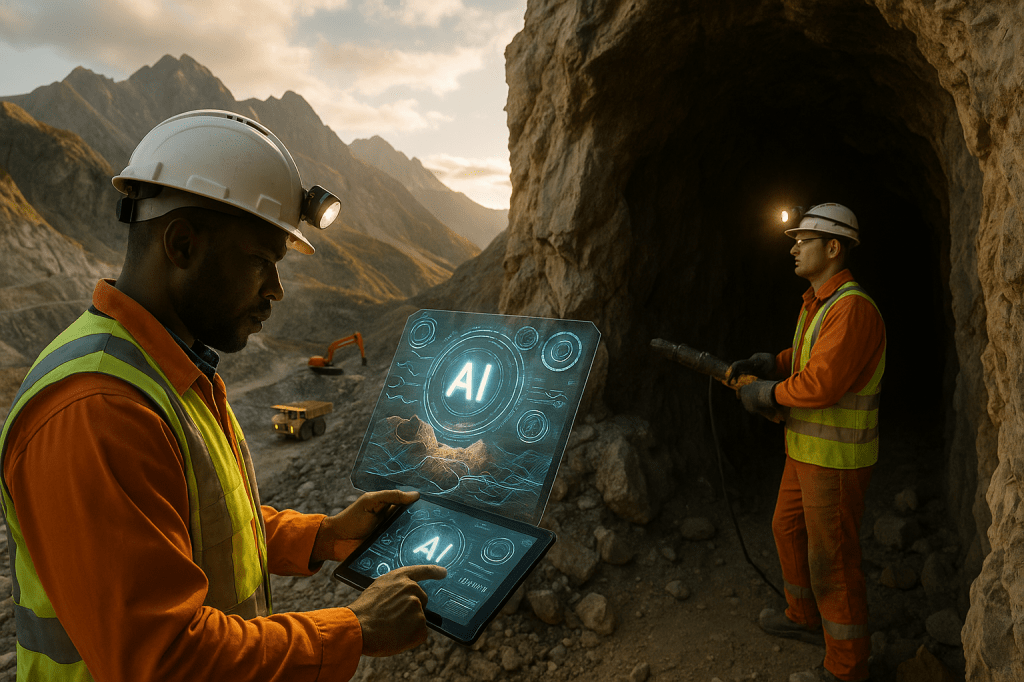
La IA está transformando la minería, y las regulaciones están girando hacia lo constructivo. Con esto como contexto, el propósito de esta serie es claro: explicar el futuro de los metales y las materias primas en la blockchain, una semana a la vez.
Por Qué Estoy Escribiendo Esta Serie
Descubrí un vacío en el mercado: nadie está cubriendo el espacio de metales tokenizados de manera completa. El mundo se está digitalizando—y las materias primas también.
Los inversionistas hoy quieren activos que sean:
- reales
- transparentes
- portátiles
- auditables
- líquidos globalmente
- utilizables como garantía
- compatibles con TradFi y DeFi
Los metales tokenizados cumplen con todo eso.
Los tokens respaldados por oro ya funcionan en redes públicas. Los tokens de plata son un activo híbrido (industrial y monetario). Los tokens de cobre y litio podrían alimentar las cadenas de suministro del futuro. Las instituciones ya se están preparando para los commodities digitales. Y los activos tokenizados podrían llegar a $10–15 billones en la próxima década.
La mayoría no tiene ni idea de que esto está ocurriendo.
Esta serie lo cambiará.
Lo Que Cubrirá Esta Serie
🔶 Metales Preciosos
- Oro, plata, platino, paladio, rodio tokenizados
- Emisores, bóvedas y custodia
- ETF vs tokenización vs lingotes
- Crecimiento, liquidez, cobertura inflacionaria
🔷 Metales Industriales y Energéticos
- Cobre tokenizado (muy cerca)
- Litio y metales para baterías
- Níquel, cobalto, grafito
- Tierras raras en blockchain
🔶 Minería, IA y Robótica
- IA en exploración y extracción
- Gemelos digitales de minas
- Mineralogía satelital
- Metales libres de conflicto
- ESG on-chain
🔷 Inversión y Regulación
- Portafolios con metales tokenizados
- Metales en cuentas de retiro
- Stablecoins respaldadas por commodities
- Regulación SEC + CFTC
- Adopción institucional
Contenido Semanal—Gratis y de Alta Calidad
- Artículos largos profundos
- Versiones cortas para LinkedIn
- Micro-versiones para Coinbase y redes
¿Para Quién Es Esta Serie?
- Inversionistas
- Asesores
- Estudiantes
- Nuevos en cripto
- Analistas de metales
- Mineros e ingenieros
- Escépticos que quieren valor real
- Curiosos del futuro tecnológico
2026: El Año de los Commodities Digitales
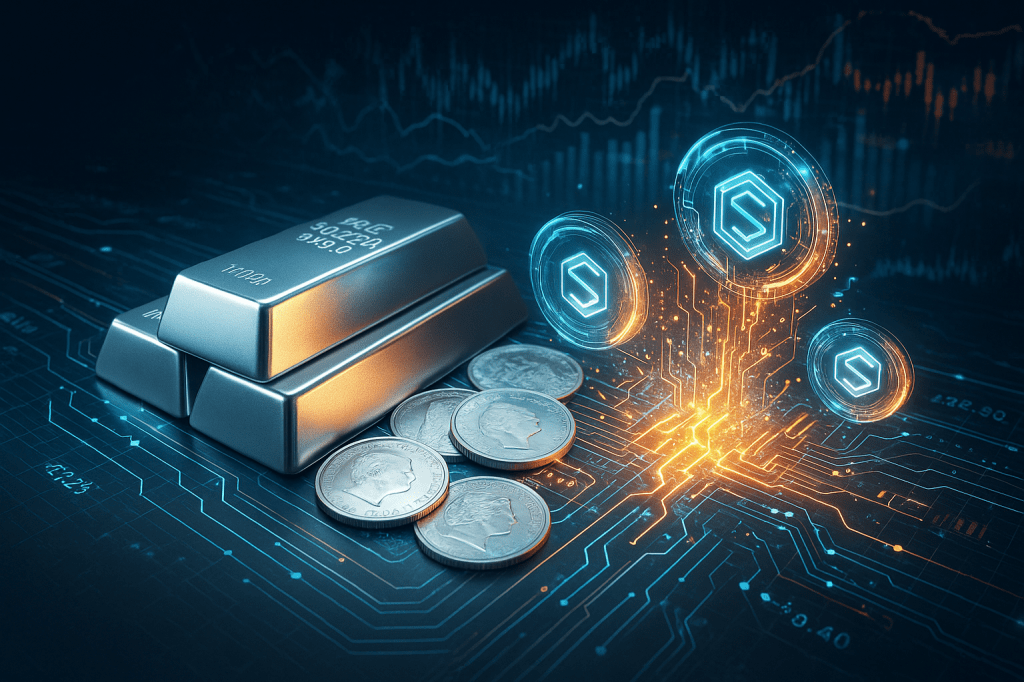
El oro fue el primero. La plata viene justo detrás. Cobre, litio, níquel y tierras raras están alineados. La regulación está mejorando. La minería tiene apoyo político. La IA transforma la industria. Y la blockchain transforma la propiedad.
Vamos hacia un futuro donde los metales vivirán en rieles digitales.
Exploremos esa frontera juntos.
Hasta la próxima,
Yogi Nelson
 Blockchain & AI Forum