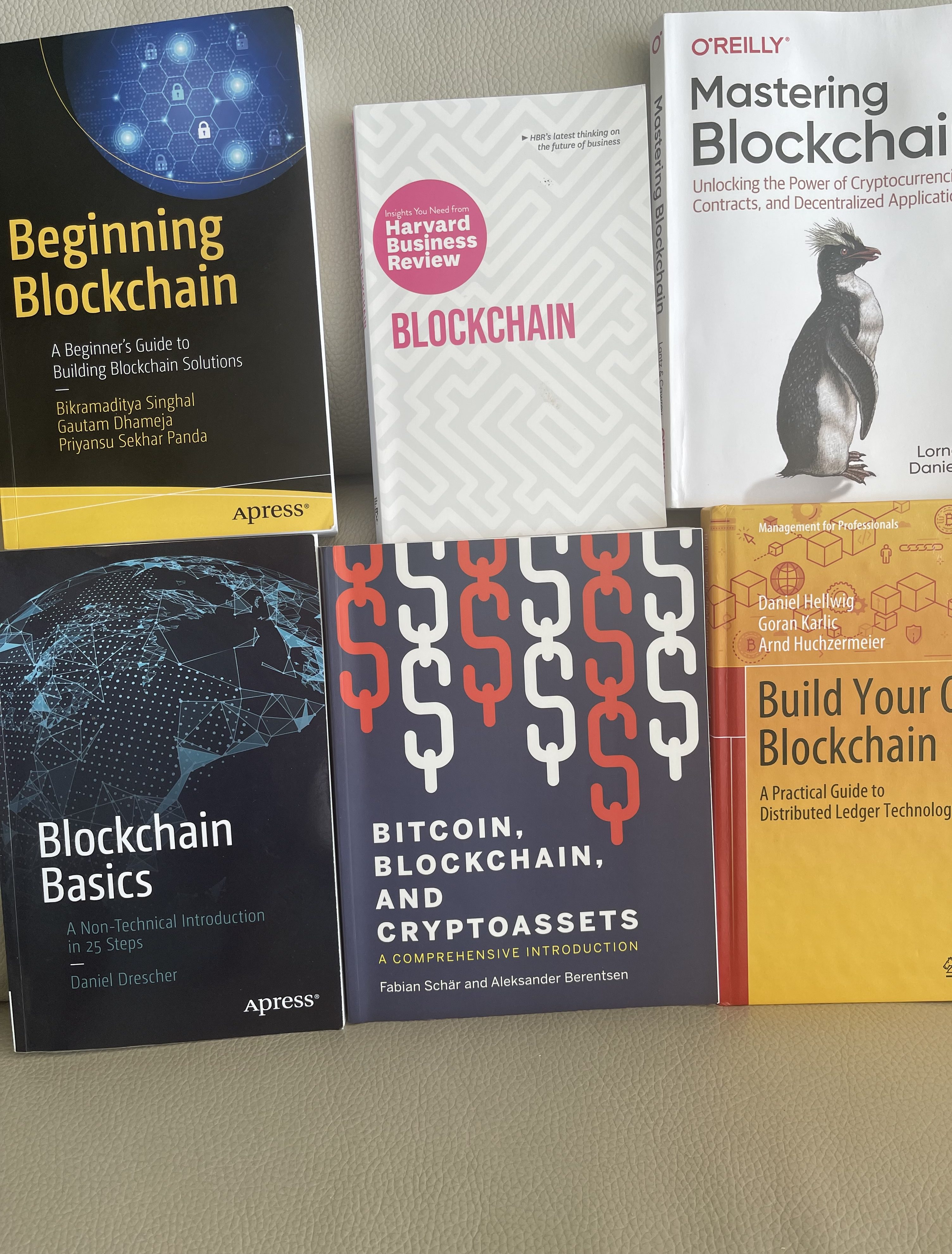
Commodity markets are entering a structural transition. Gold, silver, copper, lithium, nickel, cobalt, and even rare earth elements are beginning to move onto blockchain infrastructure. This is not a marketing slogan; it is a slow but real redesign of how ownership, settlement, and collateral work.
In 2026, I’m launching a 52-week series on BlockchainAIForum focused exclusively on tokenized metals—where hard assets meet digital rails.
Why This Matters Now
Tokenized gold has surpassed $1B in circulation.
Tokenized silver is approaching $200M.
Industrial metals are next in line.
AI is reshaping exploration, mine planning, and supply-chain visibility.
Regulators are moving toward clearer digital-asset frameworks.
For investors, treasurers, and strategists, tokenized metals combine:
Verifiable, physical backing
On-chain transparency and auditability
Faster, global settlement
Interoperability with both TradFi and DeFi systems
What This Series Will Cover
Precious metals on chain (gold, silver, platinum, palladium, rhodium)
Industrial and energy metals (copper, lithium, nickel, cobalt, graphite, rare earths)
AI, digital twins, and ESG traceability in mining
Portfolio design, collateral, and regulatory developments (SEC/CFTC)
If your work touches commodities, risk, treasury, or digital-asset strategy, I confident you’ll find this series useful.
2026 will be an important year for digital commodities. I’d be glad to have you along for the journey.
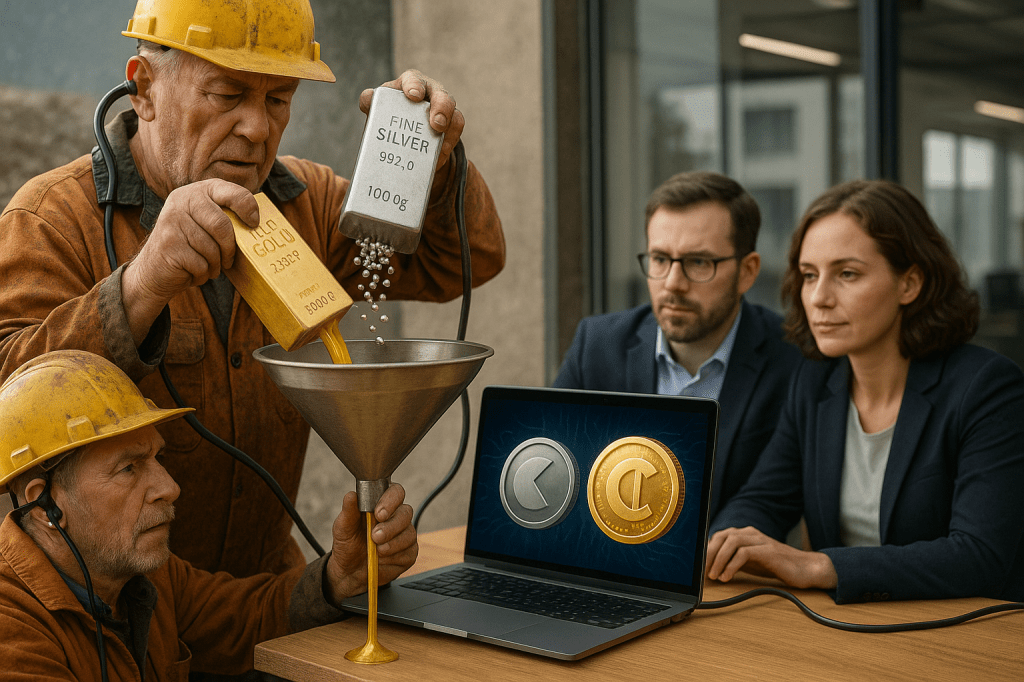
Gold has captured the attention of the Real World Asset (RWA) market, but silver—its undervalued little sister, that is both money and industrial metal, is quietly entering the blockchain era. Listen, tokenized silver is no longer a distant idea. It already exists, with several companies offering blockchain-based silver tokens backed by physical metal. The real question now is “how big will this market become, and how soon?” That’s why I want to share what tokenized silver is, who’s doing it, why it matters, and when it might enter mainstream adoption.
What Is Tokenized Silver?
Tokenized silver is a digital representation of real, vaulted silver on a blockchain. Each token ideally reflects:
– One ounce (or gram) of physical silver – Stored securely in audited vaults – Fully redeemable – Instantly transferable across borders
The total tokenized silver market currently sits around $180–190 million—small, but no longer hypothetical. The overall tokenized precious-metals sector is estimated above $1 billion and growing.
Silver Tokenizers Step Forward and Reveal Yourself!
1. Kinesis Silver (KAG) Each KAG token is backed by one ounce of physical silver. Kinesis stores the metal in audited, insured vaults worldwide. It aims to reintroduce silver-backed currency in modern digital form.
2. SilverToken (SLVT) SLVT represents ownership of physical silver held in multiple privately owned vaults. Tokens are redeemable for real silver or convertible back into USDC. A portion of transaction fees buys additional silver to strengthen backing.
3. Wealth99 Silver Token Each token represents one ounce of silver, with full physical backing and vault guarantees. Wealth99 emphasizes fractional ownership, allowing very small purchase sizes.
4. Ainslie Bullion – AGS Token AGS is backed by one gram of vaulted silver and is part of a larger suite of tokenized metals. It’s popular in Australia as a gateway to fractional precious-metal ownership.
These platforms are all operating, audited, and offering real metal-backed digital assets right now.
Why Tokenize Silver?
There are several compelling reasons:
1. Silver’s Dual Role: Industrial + Monetary Silver is both an industrial workhorse (solar, electronics, medical applications) and a centuries-old monetary metal, dating back to the Romans. Tokenization blends these strengths with the technology of blockchain.
2. Fractional Ownership and Liquidity Tokenized silver allows: – Borderless trading – Fractional ownership (as little as 0.01 oz) – 24/7 liquidity – Integration with DeFi lending and collateral systems
3. Transparency and Auditability Many projects publish vault audits, proof-of-reserves, and on-chain issuance logs. For investors skeptical of “paper silver,” this transparency is an upgrade but no replacement for physical possession.
Challenges and Risks
1. Custody and Counterparty Risk The biggest question: can the token truly be redeemed for silver? Answer–everything hinges on proper vaulting, insurance, and legal clarity.
2. Regulation Tokenized silver sits at the intersection of commodities, securities regulation, and crypto law. Does this slow institutional adoption? Yes. However, now that the SEC and CFTC are pro-innovations, there is room for optimism.
3. Liquidity Full disclosure–current liquidity is modest. Tokenized silver is a fraction of the global silver market. Trading depth must increase before large institutional flows are possible.
So… When Will Tokenized Silver “Arrive”?
Technically, it already has. The infrastructure is live. But mainstream adoption will depend on:
– Regulation – Institutional custodians adopting tokenized metals – On-chain liquidity and exchange support – Integration into DeFi collateral markets
0–3 Year Outlook – More exchanges list silver-backed tokens – Better on-chain audits and redemption pathways – Improved liquidity
3–5 Year Outlook – Institutional-grade silver-backed stablecoins – Multi-metal baskets (gold + silver + copper) – Cross-market tokenized commodities funds
Silver tokenization is moving from experimental to established. The next phase will focus on scale, regulation, and trust.
Time to Go But First a Final Thought
Tokenized silver is not science fiction. It exists, it’s working, and companies like Kinesis (KAG), SilverToken (SLVT), Wealth99, and Ainslie’s AGS are proving the model today. Its future depends on expanding liquidity, strengthening trust, and building regulatory clarity. As the RWA sector matures, silver could become a foundational asset class on the blockchain—providing a bridge between industrial demand, physical scarcity, and digital programmability. For investors who appreciate both hard assets and blockchain efficiency, tokenized silver could become a powerful hybrid store of value.
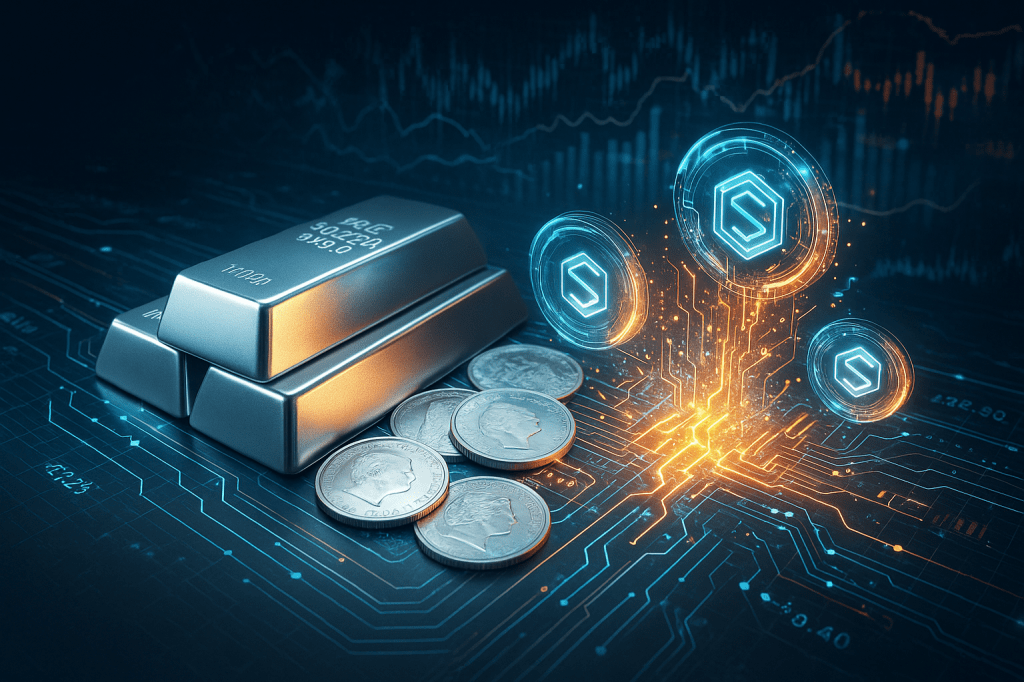
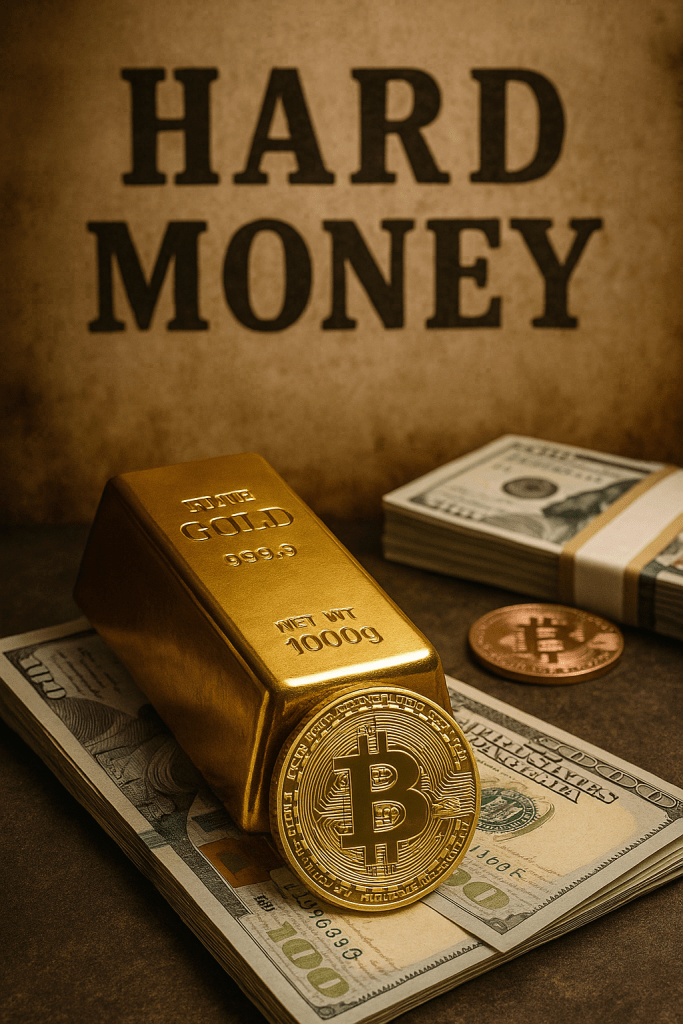
Long before there were governments, banks, or stock brokers, gold was a universal store of value, a hedge against chaos, and a cornerstone of global wealth. When Columbus stepped onto San Salvador, (Bahamas today), indigenous people were using it even though they had no contact with Europeans, Asians, or Africans! Fast forward to 2025 and gold is stepping into the digital revolution through tokenization — a process that turns tangible gold into blockchain-based assets. Hope, you like the image above–I couldn’t resist the shine! lol. Let’s explore what tokenized gold is, how it works, its advantages and risks, and how you can buy it.
What Is Tokenized Gold?
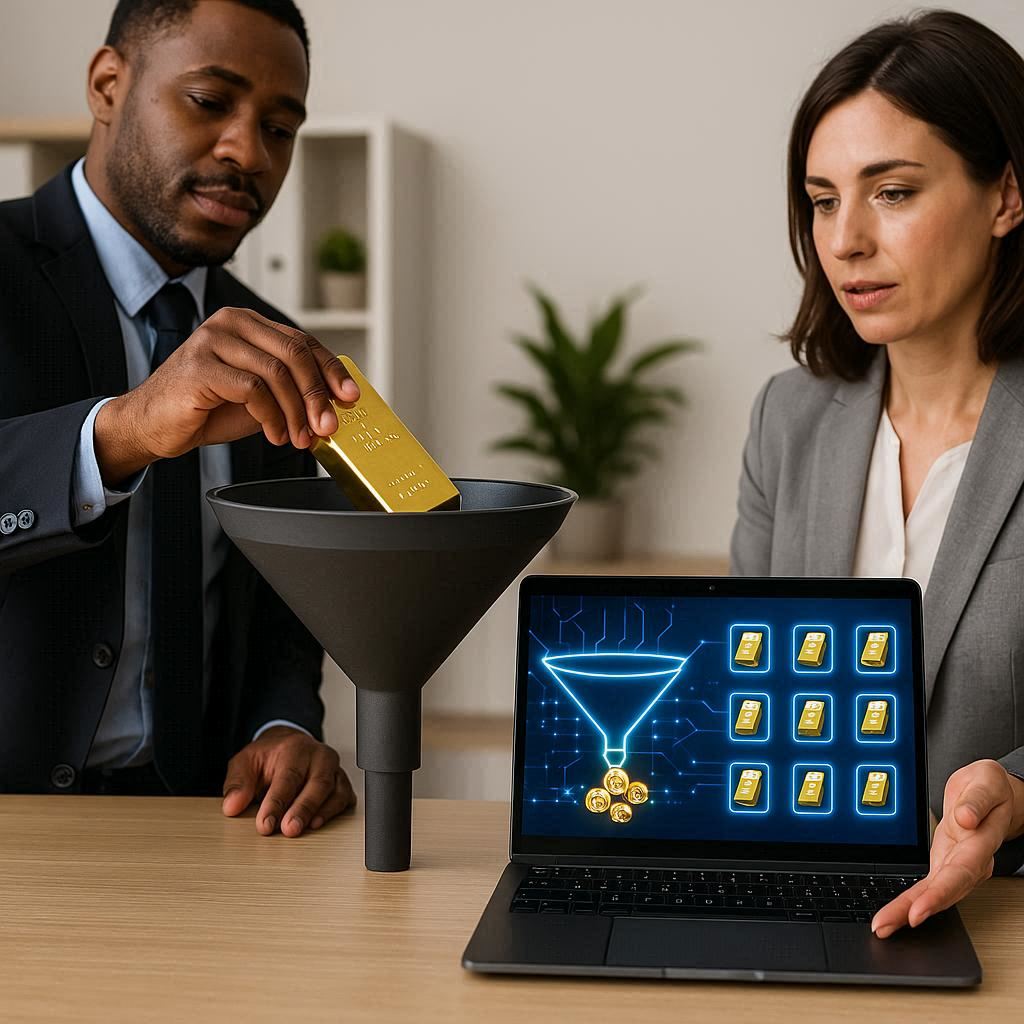
Tokenized gold is a digital representation of physical gold stored in a secure vault. Each blockchain token corresponds to a fixed quantity of real gold — for example, one token per troy ounce or per gram. It’s essentially “physical gold + digital convenience.” Yesterday plus today! Instead of storing bars yourself, (a dangerous proposition) you hold a blockchain token backed by gold that a trusted custodian safeguards. Example: Tokens such as PAX Gold (PAXG) and Tether Gold (XAUT) represent legally redeemable ownership rights in physical gold stored in London or Switzerland. With me so far? Good, then let’s discuss how tokenized gold works.
How Does Tokenized Gold Work?
The five step sequence below is how the ecosystem functions. Essentially, this blend of blockchain transparency and physical backing gives investors a bridge between traditional assets and digital finance. Old gold bugs, sound money supporters, and young millennials can bond!
Gold acquisition: The issuer purchases and stores gold bars in accredited vaults.
Token issuance: Smart contracts mint tokens (often, but not exclusively, on the Ethereum network) that represent the stored gold.
Trading and transfer: Tokens can be traded 24/7 on crypto exchanges or used in DeFi platforms as collateral.
Auditing: The issuer publishes proof-of-reserve or third-party audit reports confirming every token is backed by real gold.
Redemption: Token holders may redeem tokens for physical gold or fiat value, depending on the issuer’s rules.
Advantages of Tokenized Gold
Tokenized gold merges the security of gold with the flexibility of crypto thus making it a winner. In essence, tokenized gold gives you instant liquidity, borderless mobility, and verified backing. The six reasons below should convince anyone:
Fractional ownership: You can buy tiny portions of gold — even milligrams — democratizing access.
High liquidity: Tradeable 24/7 on exchanges, unlike traditional gold markets that close daily.
Transparency: Blockchain records all transactions; most issuers provide public audits of gold reserves.
No physical storage hassle: Custodians handle vaulting and insurance while you manage digital keys.
Global reach: Anyone with internet access can invest, regardless of geography.
DeFi integration: Tokenized gold can be lent, borrowed, or used as collateral in smart contracts.
Disadvantages of Tokenized Gold
Despite the strong arguments for tokenized gold, let’s be honest, tokenization isn’t a perfect replacement for physical gold ownership. As always, do your own due diligence — trust, verification, and transparency matter as much as the gold itself. Consider these drawbacks:
Custodial risk: You must trust that the issuer’s vault actually contains the gold it claims. Use a reputable custodian.
Smart contract vulnerabilities: Bugs or hacks could impact your tokens.
Regulatory uncertainty: Laws governing tokenized commodities differ across countries. The good news is everyday uncertainty diminishes.
Redemption limits: Many issuers require high minimums or fees for physical withdrawal. I would love to have this problem–high quantities! lol.
Market volatility: Gold’s price can fluctuate, and so will the token’s value. However, market volatility applies equally to physical ownership also.
Where and How to Buy Tokenized Gold
Persuaded? If the answer is yes, consider using these ideas to purchase tokenized gold safely:
Research issuers and audits. Confirm the custodian, vault location, and audit frequency.
Choose a token:
PAX Gold (PAXG) – 1 token = 1 troy ounce of gold held by Paxos in London vaults.
Tether Gold (XAUT) – 1 token = 1 troy ounce of gold stored in Swiss vaults.
Select a platform: Tokens trade on major exchanges like Binance, Kraken, or Bitstamp. Not an endorsement.
Use a compatible wallet: Most tokenized gold runs on Ethereum (ERC-20), so use MetaMask, Ledger, or Trust Wallet. Again, not an endorsement.
Verify proof-of-reserves: Reputable issuers publish audits or on-chain verification data.
Consider redemption: Some issuers allow redemption for physical gold or cash once minimums are met.
Conclusion
Tokenized gold transforms the world’s oldest safe-haven asset into a liquid, programmable, and globally accessible form and that’s the reason for loving it! It allows investors to combine the enduring value of gold with the efficiency of blockchain. Yet, it’s not risk-free: smart-contract flaws, custodial opacity, or unclear regulations can all erode confidence. Tokenized gold sits at the intersection of trust and technology, and success depends on maintaining both. As the world continues merging traditional assets with blockchain infrastructure, tokenized gold offers a glimpse of how digital finance can modernize centuries-old stores of wealth.
When I entered crypto in 2020, the idea that a project would voluntarily limit its token supply took a moment to process. If the US dollar has an infinite supply, which it does, and all fiat currencies are unlimited also, why would a crypto project have a limited supply? With a background in traditional finance and banking, this was a new concept for me to process. I’m glad I did–it led to a deeper understanding. After reading this article hopefully you also will better appreciate the limited money supply thesis based on Austrian economics.
One of the defining characteristics of many blockchain projects is their decision to implement a fixed or limited token supply. Bitcoin famously caps its maximum issuance at 21 million coins, while Cardano limits its ADA supply to 45 billion units. This scarcity-centric design is not accidental. Rather, it draws heavily from economic theories—particularly those of the Austrian school of economics—and seeks to replicate the stability and credibility once associated with sound money like gold and silver.
The Austrian School of Economics and Sound Money
The Austrian school emphasizes free markets, minimal government intervention, and the intrinsic value of money. Thinkers such as Carl Menger, Ludwig von Mises, and Friedrich Hayek argued that money should arise organically from the market and maintain value through scarcity, durability, and divisibility.
Austrian economists rejected the idea of government-controlled fiat money, which can be inflated at will by central banks. Given the debasement of the U.S. dollar would you disagree? They argued that sound money—money backed by hard assets like gold or silver—provides a check on political manipulation. When currency supply is limited, governments cannot debase it through unchecked printing, preserving purchasing power and protecting savers.
It is this principle of scarcity-backed trust that Bitcoin and other blockchain projects attempt to re-create in digital form. By fixing supply in advance, blockchains aim to engineer monetary systems that are resistant to manipulation, inflation, and short-term political incentives.
Why Limited Supply Matters in Blockchain Design
Scarcity Creates Value: Just as gold’s rarity underpins its value, cryptocurrencies with limited supply derive scarcity-driven appeal. Bitcoin’s 21 million cap ensures that no more coins can ever be created beyond the programmed maximum.
Predictable Monetary Policy: Traditional currencies rely on central banks to manage inflation and interest rates. Blockchains like Bitcoin instead employ algorithmic monetary policy, where issuance schedules and maximum supply are transparently coded.
Resistance to Inflation: By fixing supply, blockchain projects create systems where inflation cannot erode purchasing power. Bitcoin’s deflationary design means that as adoption increases, demand pressure could increase value rather than diminish it.
Incentivizing Early Adoption: Limited supply also creates incentives for early participation. While this can raise issues of inequality, it has proven a powerful bootstrapping mechanism for network adoption.
Bitcoin: The Original Case Study
When Satoshi Nakamoto launched Bitcoin in 2009, he embedded Austrian economics deeply into its DNA. The 21 million cap was designed to mimic the scarcity of gold, but with more precision and predictability. Bitcoin’s issuance schedule—the halving cycle every 210,000 blocks—mirrors the decreasing rate at which new gold is mined. This ensures that Bitcoin’s inflation rate asymptotically approaches zero, reinforcing its narrative as digital gold.
Other Projects Following the Scarcity Model
Cardano (ADA): Fixed supply at 45 billion tokens.
Litecoin (LTC): Hard cap of 84 million coins, designed as silver to Bitcoin’s gold.
Ethereum (ETH) & Polkadot (DOT): Contrasting models with no fixed supply, opting for dynamic or inflationary mechanisms.
Critiques of the Limited Supply Approach
Deflationary Spiral Risk: Hoarding instead of spending.
Inequality Concerns: Early adopters often accumulate disproportionate wealth.
Lack of Elasticity: Cannot expand supply in crises like fiat systems can.
Why Scarcity Narratives Resonate Today
Despite criticisms, limited-supply tokens resonate in an era of monetary expansion and fiat uncertainty. Events such as the 2008 financial crisis and COVID-19 pandemic expanded money supplies dramatically. By framing tokens as digital sound money, blockchain projects connect with the intuitive idea that value should be tied to scarcity, not unlimited printing.
Conclusion: Digital Scarcity as a New Monetary Standard?
The decision by Bitcoin, Cardano, and other blockchain projects to cap their token supply is more than a technical feature—it is a philosophical statement. Rooted in Austrian economics, it seeks to restore trust in money through scarcity, predictability, and resistance to manipulation. Whether this model ultimately proves superior to fiat flexibility remains a subject of fierce debate. But the idea of scarcity as value has struck a chord, fueling the growth of blockchain and shaping its monetary experiments. In an uncertain global financial landscape, the allure of limited supply tokens may continue to define the narrative of crypto as the sound money of the 21st century.

 Blockchain & AI Forum