
by Yogi Nelson
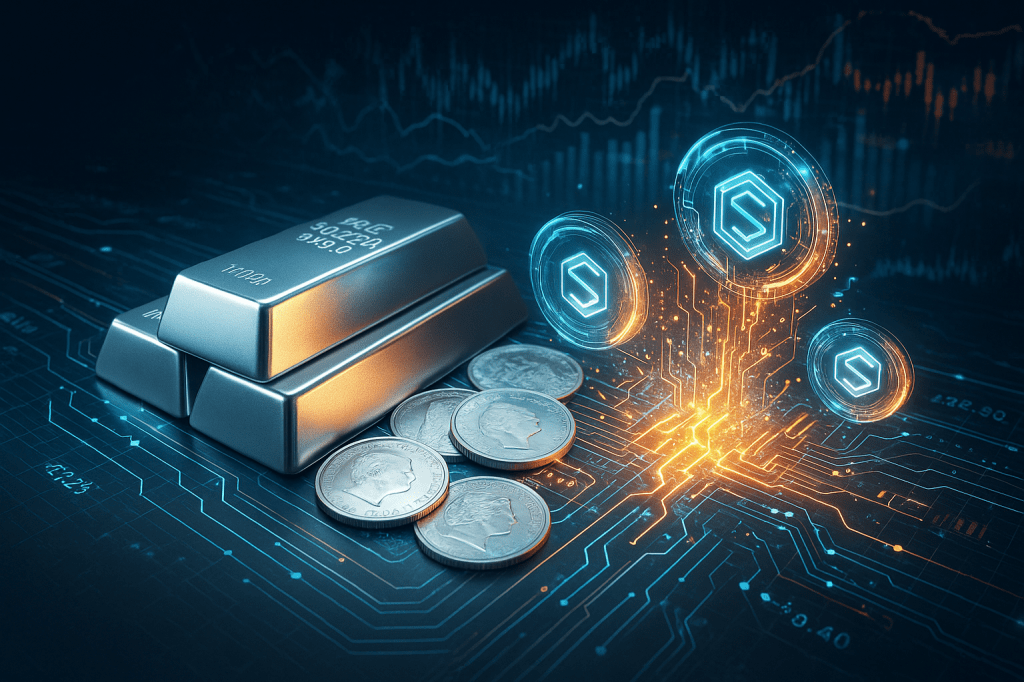
Existe una batalla enorme entre los estados nación, los banqueros centrales, los industriales y los inversionistas institucionales por asegurar suministros estratégicos de metales. Ellos —no la demanda minorista— han impulsado el alza en los precios de los metales preciosos durante los últimos dos años. Eso está bien documentado. Lo que sí es nuevo, y muy poco reportado, es la llegada de una forma novedosa de demostrar la propiedad de metales preciosos: ¡la tokenización!
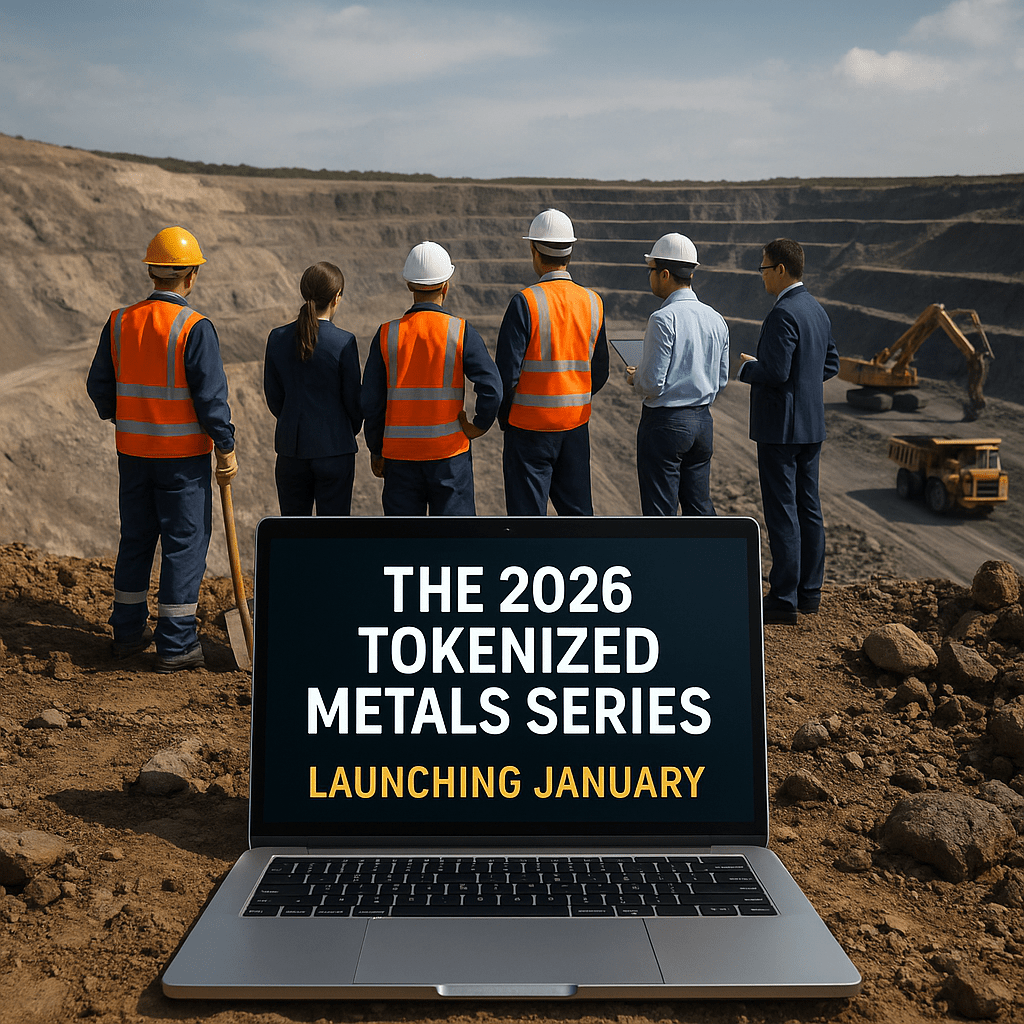
Por eso, comenzando este enero, publicaré la Serie de Metales Tokenizados 2026. Déjame contarte lo que puedes esperar.
Prepárate para una serie semanal de un año entero dedicada a la transformación tokenizada del oro, la plata, el cobre, el litio, el níquel, el cobalto y los metales que impulsan la economía global. Un año completo de ideas sobre cómo convergen las materias primas, la IA, la minería y las finanzas digitales. ¡Muy emocionante!
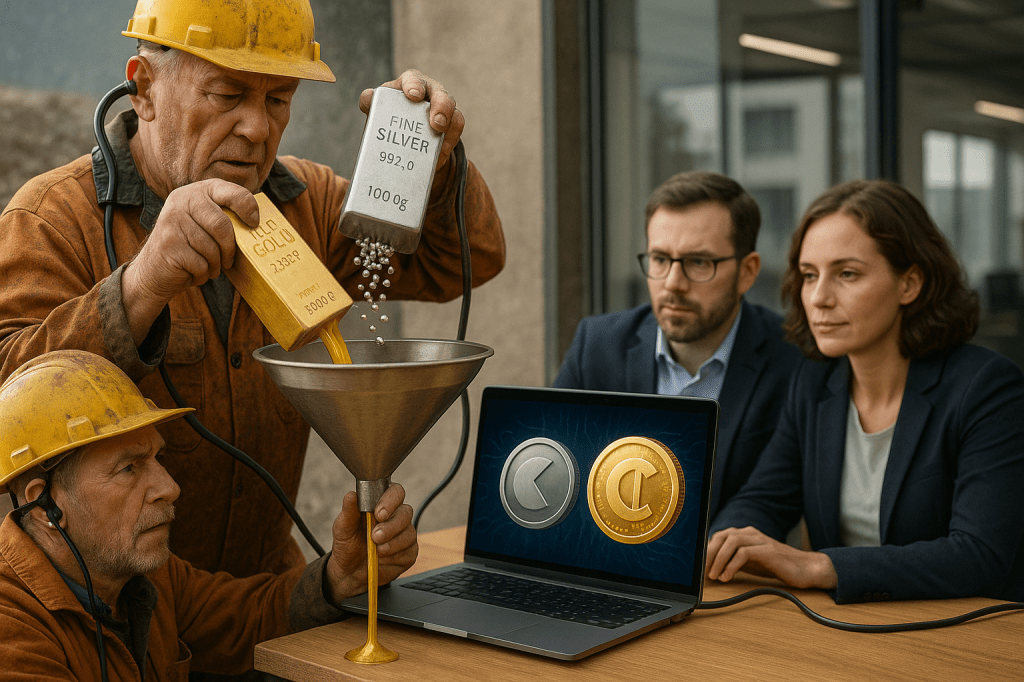
Estos activos ahora están subiendo a los rieles de la cadena de bloques, obteniendo liquidación más rápida, mayor transparencia y portabilidad global. Las implicaciones son enormes—para inversionistas, mineros, fabricantes y responsables de políticas públicas. El futuro no es solo moneda digital; son los metales digitales. ¿Quién más ofrece esto? Nadie más que Yogi Nelson. ¿El costo? Gratis. ¿Qué más se puede pedir?
Por Qué Esta Serie Importa
Si te interesan los mercados globales, la tecnología, los sistemas energéticos, la geopolítica o la inversión, estos cambios te afectarán directamente. Escucha: tres grandes transformaciones están ocurriendo al mismo tiempo:
1. La tokenización está entrando en la utilidad real.
Los activos reales—no las memecoins—se están digitalizando en libros públicos. Olvídate del estúpido Pepe y de sus monedas o de un token con cara de perro que no vale nada; ¡estoy hablando de oro tokenizado!
2. La IA está revolucionando la minería.
La exploración, la extracción, la cartografía y la inteligencia mineral están evolucionando más rápido de lo que sugieren los titulares. Menos perforar y rezar; más taladrar y descubrir.
3. Las instituciones y los reguladores se están preparando para las materias primas digitales.
Los marcos de cumplimiento, las soluciones de custodia y la infraestructura de mercado están alineándose por primera vez.
Lo Que Verás Cada Semana en 2026
Cada entrega de la serie explorará un tema, incluyendo:
- Metales preciosos tokenizados
- Metales industriales y energéticos en cadena
- Minería impulsada por IA y robótica
- Gemelos digitales de minas
- Inteligencia mineral vía satélite
- Metales tokenizados como colateral
- Stablecoins respaldadas por materias primas
- Desarrollos regulatorios
- Tendencias de adopción institucional
Algunos ensayos serán profundos; otros serán lecturas rápidas y atractivas. Todos estarán anclados en desarrollos reales, no en hype.
Para Quién Es Esta Serie
Esta serie es para quienes disfrutan las grandes ideas, la claridad y un ocasional mal chiste de papá:
- Inversionistas
- Asesores financieros
- Mineros e ingenieros
- Analistas de metales
- Nuevos en cripto
- Escépticos
- Estudiantes de mercados
- Cualquiera que explore la intersección entre tecnología y activos del mundo real
Enero: Comienza la Era de los Metales Digitales
Los metales construyeron nuestra civilización. Ahora están por entrar en los rieles digitales. La tokenización no reemplaza las materias primas—las moderniza. Y 2026 será el año en que el mundo finalmente prestará atención.
Espero compartir contigo este viaje.
Nos vemos en enero.
— Yogi Nelson

 Blockchain & AI Forum