Banking, Blockchains, cryptography, Digital Currency, Productivity, Science, tokenization, Uncategorized, Yogi Nelson

🔐 What Is Crypto Staking? A Beginner’s Guide

Welcome to the BlockchainAIForum


  1. You hold a PoS-supported cryptocurrency (e.g., Ethereum, Cardano, Solana).
  2. You lock up your tokens in a wallet or with a staking provider.
  3. The network selects stakers (or validators) to confirm transactions.
  4. You earn staking rewards, typically paid out regularly.
  • Solo staking: You run your own validator node. This requires technical expertise and minimum token requirements (e.g., 32 ETH for Ethereum).
  • Pooled staking: You join a group of stakers to combine assets and share rewards. Good for beginners.
  • Exchange staking: Centralized platforms (like Coinbase or Binance) offer staking-as-a-service.
  • Research the blockchain you want to stake on (e.g., its inflation rate, validator performance, and reward schedule).
  • Use a reputable wallet or exchange with transparent fees and security.
  • Start small to learn how the process works before committing large amounts.
  • Stay updated with network upgrades and policy changes.
CoinNetworkEst. Annual Reward
EthereumEthereum 2.0~3–5%
CardanoADA~3–6%
SolanaSOL~5–8%
AI Agents, Artificial Intelligence, Banking, Blockchains, cryptography, Digital Currency, International Finance, Stocks, tokenization, Uncategorized, Yogi Nelson

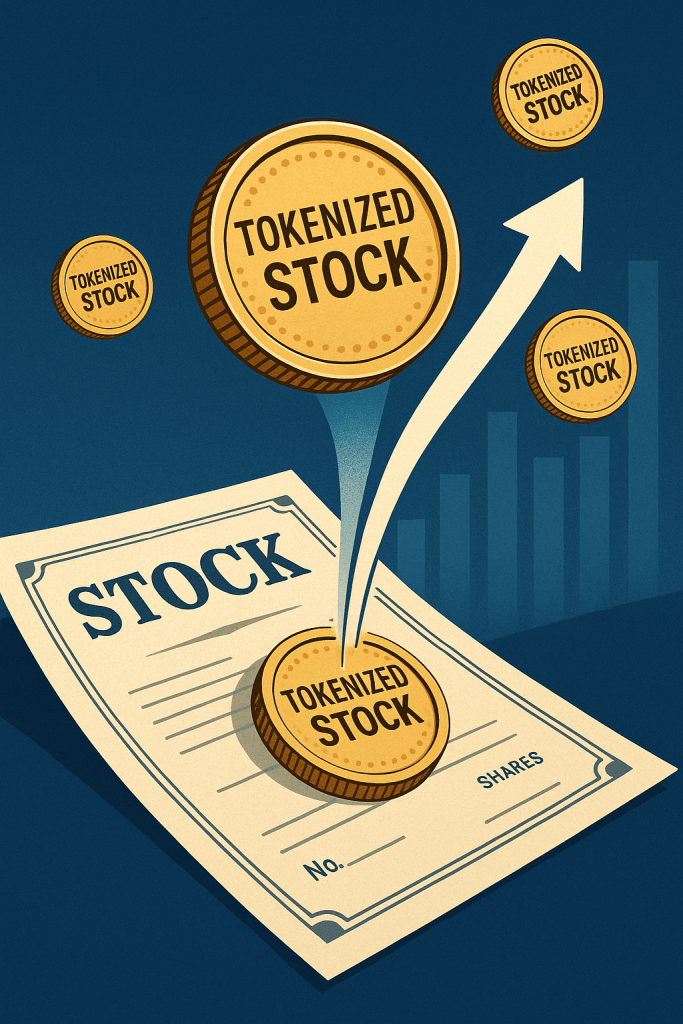
📈 The Rise of Tokenized Stocks: A Beginners Guide

Welcome to the BlockchainAIForum


🪙 What Are Tokenized Stocks?


  • 24/7 Trading
    Unlike traditional stock markets that close overnight and on weekends, tokenized stocks can trade at any time.
  • Global Access
    Anyone with an internet connection and a crypto wallet can invest, opening markets to investors in regions without traditional brokerages.
  • Fractional Shares
    Tokenization lowers the barrier to entry. Instead of buying a whole $1000 share, you can invest $10.
  • Faster Settlement
    Blockchain-based settlement can be near-instant, reducing counterparty risk and eliminating some middlemen.
  • Improved Transparency
    All transactions are recorded on-chain, enhancing traceability and auditability.

  • Regulatory Uncertainty
    Regulators are still figuring out how to treat these assets. This uncertainty can lead to sudden changes in availability.
  • Counterparty Risk
    Tokens are only as good as the custodian holding the real shares. If that custodian is dishonest or goes bankrupt, the backing can vanish.
  • Limited Platforms
    Not all exchanges support tokenized stocks. Liquidity can be limited compared to traditional markets.
  • Jurisdictional Restrictions
    Many tokenized stocks cannot legally be sold in certain countries (for example, the U.S.) due to securities laws.

  • In the United States, the SEC generally considers these tokens securities. Selling them without proper licenses can be illegal.
  • Some platforms have previously offered tokenized stocks without full regulatory approval, drawing heightened scrutiny.
  • The European Union is taking a more controlled approach. The EU’s MiCA (Markets in Crypto-Assets) framework sets rules for digital assets, but tokenized stocks may fall under existing securities laws.
  • Countries like Switzerland and Singapore have clearer guidelines encouraging innovation while protecting investors.


  • Stronger custodial frameworks
  • Clearer, harmonized regulations
  • Greater public awareness and education

AI Tools, Artificial Intelligence, Banking, Blockchains, Digital Currency, real estate, tokenization, Uncategorized, Yogi Nelson

🏢 A Step-by-Step Guide to Tokenized Commercial Real Estate

Welcome to the BlockchainAIForum where your technology questions are answered. Commercial real estate has always been seen as a solid investment, but it often feels out of reach for the average person. High costs, complex deals, and limited access keep many investors on the sidelines. Tokenization is changing that. By turning ownership stakes into digital tokens on a blockchain, it is opening commercial real estate to a wider group of investors. But what does that actually mean? Let’s break it down step by step.


💡 What Is Tokenized Commercial Real Estate?

In simple terms, tokenized commercial real estate is when ownership in a property—like an office building, shopping center, or apartment complex—is divided into digital “tokens” recorded on a blockchain. Each token represents a share of ownership. This allows people to buy, sell, and trade fractional pieces of expensive real estate much more easily than before.

Imagine splitting a $10 million building into 10,000 tokens. Instead of needing millions to invest, you could buy a single token for $1,000. It’s like owning a slice of the property.


🌍 Why Do People Care About It?

Tokenization is seen as an important innovation for several reasons:

  • Accessibility: More people can invest in high-value commercial properties.
  • Liquidity: Tokens can potentially be traded on secondary markets, making it easier to sell.
  • Transparency: Blockchain records transactions securely and publicly.
  • Efficiency: Smart contracts can automate processes, reducing paperwork and costs.

In short, tokenization promises to make commercial real estate investment more democratic and streamlined.


🛠️ How Does Tokenized Commercial Real Estate Work? Step by Step

Let’s walk through a typical process for tokenizing a commercial property.

1️⃣ Identify and Value the Property

First, a property owner or real estate company decides which property they want to tokenize. They conduct a professional valuation to determine its market worth. For example, suppose they pick a shopping center valued at $10 million.

2️⃣ Structure the Ownership

Next, they set up the legal structure. This is crucial. Usually, the property is placed in a legal entity, such as a limited liability company (LLC) or a trust. Investors don’t directly own the building but own shares in the entity that owns it. This makes it possible to divide ownership cleanly into tokens.

3️⃣ Create the Tokens

Once the legal groundwork is in place, the ownership is split into digital tokens on a blockchain. If the shopping center is split into 10,000 tokens, each token represents 0.01% of the total ownership.

This step requires working with a blockchain platform that supports token creation. The tokens are coded with rules about how they can be traded and who can hold them, ensuring compliance with regulations.

4️⃣ Offer the Tokens to Investors

The next step is to sell the tokens. This might happen through a direct sale on the issuer’s website or through a digital platform specializing in real estate tokens. Investors buy tokens using traditional currency or sometimes cryptocurrency.

In many jurisdictions, these offerings must comply with securities laws, so they may be limited to accredited investors or follow specific regulations.

5️⃣ Manage the Property and Distribute Income

After the sale, the property is managed like any other commercial investment. Rent is collected, expenses are paid, and profits are distributed. Income—such as rental profits—can be divided among token holders proportionally.

Thanks to blockchain technology, these payments can even be automated via smart contracts, which execute payments once certain conditions are met.

6️⃣ Trade or Sell the Tokens

One of the most appealing aspects of tokenization is the potential for liquidity. Instead of holding a property for 5–10 years before selling, investors might trade tokens on approved secondary markets. This gives them flexibility to exit earlier if needed.


🚀 Why Is This Considered Important?

Tokenized commercial real estate isn’t just a new technology gimmick. It could transform the industry by:

  • Lowering barriers to entry for smaller investors.
  • Enabling global participation in local real estate markets.
  • Making real estate investments more flexible and tradable.
  • Reducing reliance on expensive intermediaries.

While it is still early days, and there are regulatory and technical challenges to solve, many see tokenization as a way to modernize a traditionally slow, opaque, and exclusive industry.


✅ Final Thoughts

Tokenized commercial real estate aims to make property investment more accessible, transparent, and efficient. By turning buildings into tradable digital tokens, it offers a new way for people to invest in—and benefit from—the commercial real estate market. As technology and regulations evolve, it could reshape how we think about owning and investing in property for years to come. It is a fantastic innovation!

Until next time,

Yogi Nelson

Uncategorized

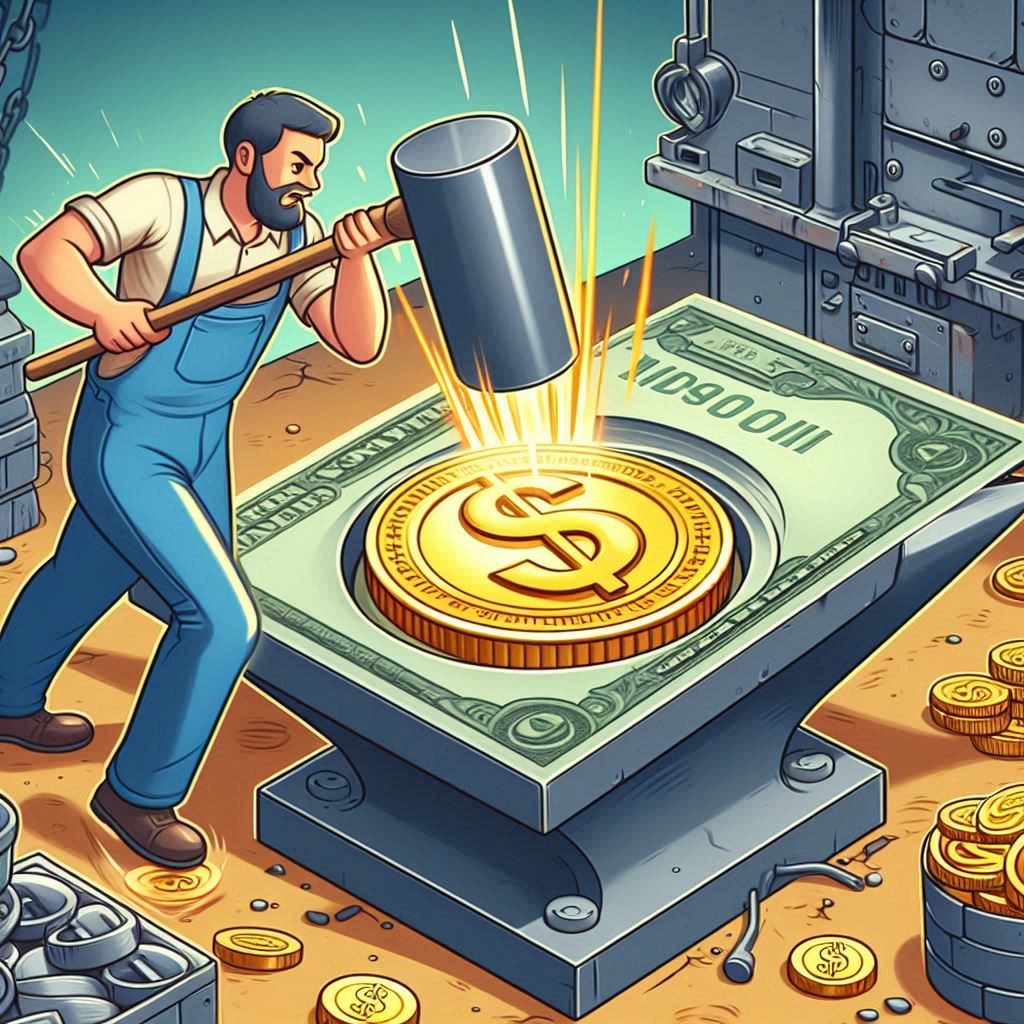
🪙 How a Stablecoin is Minted: A Step-by-Step Guide

Welcome to the BlockchainAIForum where your technology questions are answered. Today we take explore the step-by-step process used to “mint” stablecoins. Minting is more than just pressing a button on a website—it involves a structured process combining real-world financial steps and blockchain technology. Stablecoins are blockchain-based tokens designed to maintain a steady value, typically pegged to a fiat currency like the US dollar. But what actually happens when someone “mints” a stablecoin? This article explains, in clear terms, how a fiat-backed stablecoin (like USDC or USDT) is minted, step by step.


📌 1️⃣ User Onboarding and Compliance

Step summary: The user proves their identity and gets authorized to use the stablecoin system.

  • What happens?
    A customer (say, Alice) wants to buy stablecoins. She registers with the issuing company (like Circle for USDC).
    She completes KYC (Know Your Customer) checks: uploading identification, proof of address, and sometimes even undergoing a video verification.
    Compliance teams review her information to prevent fraud, money laundering, or sanctions violations.
  • Tools used: Web forms and apps, compliance software, human compliance officers
  • Physical work: Reviewing documents, customer support for failed KYC

💰 2️⃣ Fiat Deposit

Step summary: The user sends actual money to the issuer.

  • What happens?
    Alice wires $10,000 from her bank account to the stablecoin issuer’s designated bank account. The issuer’s bank confirms receipt.
  • Tools used: SWIFT, ACH, SEPA, payment processors
  • Physical work: Bank staff may review or clear large transactions; finance teams reconcile wires

🔎 3️⃣ Treasury Verification and Approval

Step summary: The issuer confirms the deposit and authorizes minting.

  • What happens?
    The stablecoin company’s treasury team verifies the wire against Alice’s account. They check that the money actually settled (not just pending) and approve the minting amount.
  • Tools used: Banking portals, internal ledgers, compliance software
  • Physical work: Treasury analysts approve transactions; auditors may review records

🛠️ 4️⃣ Blockchain Transaction: Minting

Step summary: The issuer creates new tokens on-chain.

  • What happens?
    An authorized operator accesses the issuer’s blockchain wallet and uses a smart contract function called mint to create 10,000 new tokens. This transaction is submitted to the blockchain network.
  • Technical detail:
    The mint function increases the token supply by the specified amount. Validators confirm and record the transaction.
  • Tools used: Blockchain wallets (e.g., MetaMask, Gnosis Safe), command-line tools, smart contract interfaces
  • Physical/computer work: An employee signs the transaction using secure keys; blockchain nodes confirm it

🔗 5️⃣ Recording and Auditing

Step summary: The issuer updates internal records and ensures accountability.

  • What happens?
    The treasury updates its ledger: Alice’s $10,000 in the bank is matched by 10,000 newly minted tokens. Issuers often maintain 1:1 backing by keeping fiat reserves in segregated accounts.
  • Tools used: Accounting software, audit dashboards, blockchain explorers
  • Physical work: Accountants reconcile records; auditors verify the match between tokens and reserves

📲 6️⃣ Delivery to Customer

Step summary: Alice receives the stablecoins in her wallet.

  • What happens?
    The issuer sends the newly minted 10,000 tokens to Alice’s blockchain address. She sees them in her wallet and can now trade, lend, or hold them.
  • Tools used: Blockchain wallets, blockchain explorers, issuer’s platform for delivery
  • Physical/computer work: Staff initiates the transfer; Alice confirms receipt in her wallet

✅ Conclusion

Minting a stablecoin is not just a “crypto” step but a process that bridges real-world banking and blockchain technology. It involves:

  • Customer onboarding and compliance
  • Receiving and verifying fiat deposits
  • Authorized blockchain minting
  • Careful treasury management and audits
  • Delivering tokens to users

This process ensures that each stablecoin is genuinely backed by real assets, maintaining trust in the system.


📜 Final Note

Stablecoin issuers often publish attestation reports by independent auditors, proving that the total tokens in circulation match the fiat reserves held in bank accounts. This transparency is critical for user confidence in the stablecoin’s peg.

Time to go but first a proverb from Fiji, where they say: “children are like empty pots–they need careful fillling.

Until Next Time,

Yogi Nelson

Uncategorized

Crypto’s Legal Makeover: GENIUS and the Rise of Regulated Stablecoins

What Is the GENIUS Act?

Blockchain & AI Forum — June 2025
By Yogi Nelson


Welcome to the Blockchain & AI Forum, where your questions are answered!
As a bonus, every post includes a proverb from around the world.

Today’s question comes from Latasha, who asks: What is the GENIUS Act?


🔍 Overview

The GENIUS Act has been approved by the U.S. Senate! It was introduced by Senator Bill Hagerty of Tennessee, your home state. As expected, GENIUS is an acronym:
“Guiding and Establishing National Innovation for U.S. Stablecoins, 2025.”

Let’s walk through what this bill says—section by section—and what it could mean for stablecoin issuers, regulators, and the future of U.S. digital finance.


📘 Key Definitions

GENIUS defines 23 terms, but none more important than this one:

Payment Stablecoin: A digital asset designed for payments or settlement. The issuer must maintain a fixed redemption value (e.g., 1:1 with the U.S. dollar) and is required to redeem, repurchase, or convert the token on demand. It is not a national currency or a security.


🏛️ Who Can Issue Stablecoins?

If GENIUS becomes law, (waiting for the House of Representatives and the President to act) only permitted stablecoin issuers may issue payment stablecoins. That means:

No freelancers. No startups cutting corners.
If you’re unauthorized—you’re out. Or worse, facing federal prison time. 🫢


🧾 Requirements for Issuing Stablecoins

Issuers must:

  1. Maintain 1:1 Liquid Reserves
    Reserves must include:
    • U.S. dollars
    • Bank demand deposits
    • Treasury bills, notes, or bonds (≤ 93 days)
    • Short-term repurchase agreements (≤ 7 days)
    • Money market funds
    • Federal Reserve deposits
  2. Ensure Transparency
    • Disclose redemption policies
    • Publish monthly reserve composition
    • Establish clear redemption procedures
  3. Certify Compliance Monthly
    • Signed certifications by both CEO and CFO

What Stablecoin Issuers Can Do

Issuers are restricted to these activities:

  • Issue and redeem stablecoins
  • Manage reserves
  • Provide custodial or safekeeping services
  • Engage in directly related activities

No off-brand ventures allowed.


🏢 Who Will Regulate?

Good news: no new federal agency will be created. Oversight will remain with existing regulators:

  • National Banks: Supervised by the OCC (Office of the Comptroller of the Currency)
  • FDIC-Insured Banks: Supervised by the FDIC
  • State-Chartered Banks: Must follow GENISIS via state regulators
  • Qualified Nonbanks: Regulated by the OCC

This streamlined approach avoids regulatory overlap and confusion.


📄 Application & Approval Process

Once an application is deemed complete, regulators have 120 days to approve or deny.

The Catch:
The 120-day clock doesn’t start until the regulator says the application is complete. A hostile regulator could delay indefinitely by asking for more documents.

If the application is rejected, the regulator must:

“Explain all findings related to material shortcomings and offer actionable recommendations for improvement.”

My Take:
This is unusual—and potentially risky. It effectively requires regulators to teach applicants how to qualify. That raises a key question:

If an applicant can’t complete a solid application, can they really run a stablecoin program? 🤔
And if the program later fails, will they blame the regulator for “bad tutoring”?


⚖️ Rulemaking Timeline

GENIUS includes a standard Rulemaking section.

Congress gives agencies 180 days from enactment to issue final regulations.

🏁 In other words: regulators, start your engines.


🌍 Proverb of the Day

Before I head out, here’s your bonus proverb:

🐻 “A hungry bear does not dance.”
– Turkish Proverb

Until next time,
– Yogi Nelson
Blockchain & AI Forum