
by Yogi Nelson
Welcome to the BlockchainAIForum
🧱 What Is an Oracle?
An oracle is a service that provides external data to a blockchain. It tells the blockchain what’s going on in the real world so that smart contracts can act on that data. But of course there is more to the story and if you stay with me for three minutes, you will gain a deeper understanding. Let’s dive in.

Why Do Blockchains Need Oracles?
Blockchains are closed systems. They are deliberately isolated from the outside world to remain secure and tamper-proof. However, many blockchain applications—especially smart contracts—need real-world data to function. Examples include:
– Sports scores for betting apps
– Weather conditions for crop insurance
– Stock prices for decentralized finance (DeFi)
– Currency exchange rates for cross-border payments
⚙️ How Do Oracles Work?
Oracles act like data messengers, feeding smart contracts the trusted information they need. Perhaps think of an oracle as a messenger. Let’s walk through a simple example: A decentralized insurance contract pays out to farmers if rainfall in a certain area is below a specified threshold. Here’s how oracles help:
1. Smart Contract Request: The insurance contract sends a request for weather data.
2. Oracle Receives Request: The oracle picks up the request and fetches the required data (e.g., from a weather API).
3. Data Is Verified: The data is often verified or corroborated across multiple sources to ensure it is accurate.
4. Data Is Delivered: The oracle sends the verified data back to the smart contract.
5. Action Is Taken: Based on the data, the smart contract executes its logic—e.g., issuing a payout.
🔐 The Problem with Centralized Oracles
If you use just one oracle to provide this data, you create a central point of failure. What if that oracle lies, is hacked, or goes offline? Suddenly, the whole smart contract system becomes compromised. This defeats the purpose of using decentralized technology in the first place. Hence, decentralized oracles are the solution—bringing multiple data sources and multiple oracles together to reach consensus and maintain integrity.
🌐 Enter Chainlink: The Leading Oracle Network
Chainlink is the most widely adopted decentralized oracle network in the blockchain space. Launched in 2017 by Sergey Nazarov and Steve Ellis, Chainlink was designed to solve the “oracle problem”—how to bring secure and reliable off-chain data onto the blockchain without introducing a point of failure.
🧩 How Chainlink Works
Chainlink operates through a decentralized network of nodes that provide external data to smart contracts. Here’s a high-level overview:
📝 1. Request Initiation. A smart contract emits a request for data. Chainlink picks it up.
👥 2. Oracle Selection. Chainlink matches the request to a set of independent oracles. These nodes are chosen based on reputation and performance metrics.
📡 3. Data Aggregation. Each oracle retrieves data from external sources (APIs, IoT devices, market data feeds, etc.). Then, Chainlink aggregates all the responses to eliminate outliers and produce a trustworthy data point.
💎 4. Result Delivery. The final data is delivered back to the smart contract, triggering its execution.
🪙 5. Incentives and Penalties. Oracles earn LINK tokens as payment for honest work. Malicious or inaccurate nodes are penalized by losing stake or reputation.
🛡️ Why Chainlink Stands Out
– Decentralization: No single point of failure; multiple nodes verify the data.
– Data Quality: Chainlink uses multiple premium data providers and APIs.
– Security: Nodes stake LINK tokens, aligning their incentives with accuracy.
– Wide Adoption: Used by projects like Aave, Synthetix, Compound, and even Google Cloud for blockchain integrations.
– Cross-Chain Compatibility: With its Cross-Chain Interoperability Protocol (CCIP), Chainlink can facilitate oracle services across multiple blockchains.
🧠 Chainlink Use Cases
– DeFi: Real-time price feeds for assets (e.g., ETH/USD), interest rates, and lending protocols.
– Insurance: Weather data or flight status for automated claims processing.
– Gaming: Random number generation (RNG) for fairness in blockchain-based games.
– Enterprise: Secure off-chain data feeds from traditional institutions like banks and cloud services.
🔮 The Future of Oracles and Chainlink
Oracles will be crucial to the next phase of blockchain innovation. As smart contracts evolve beyond simple logic to govern real-world activities, oracles will need to deliver ever-more reliable, real-time data. Chainlink’s future lies not just in being an oracle, but in becoming a full-fledged interoperability layer between blockchains and the world. Chainlink is leading the charge in:
– Verifiable randomness
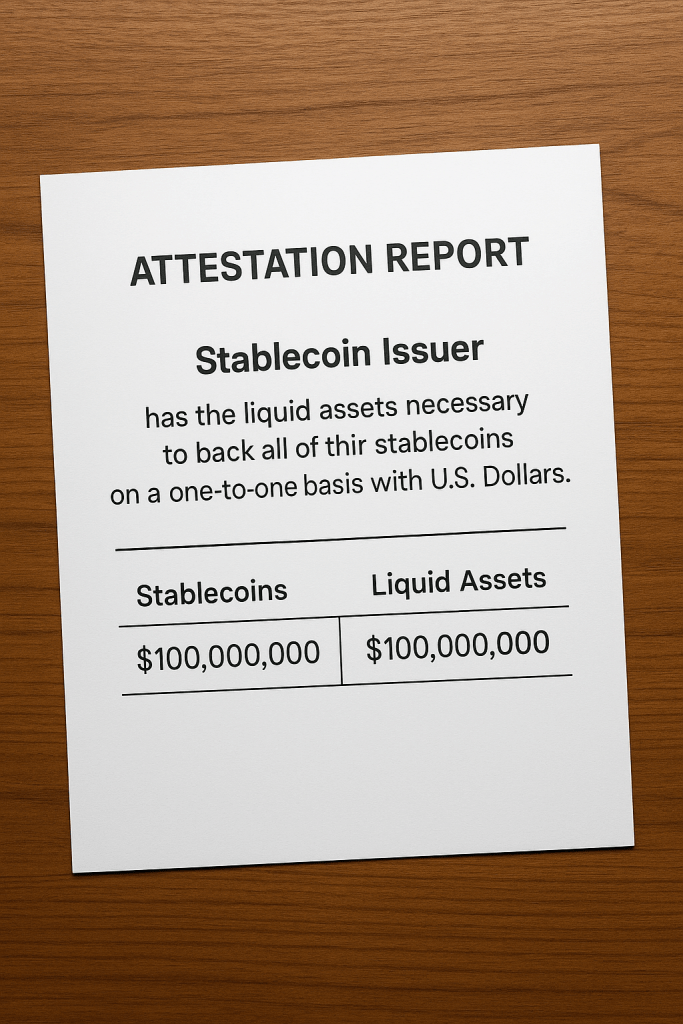
– Proof of reserves
– Secure cross-chain communication
– Zero-knowledge data oracles
🧭 Final Thoughts
Oracles are the unsung heroes of the blockchain world—essential yet often misunderstood. Without them, smart contracts would be powerful but blind. Chainlink provides the vision, security, and scalability that modern decentralized applications (dApps) demand. As Web3 grows, Chainlink’s decentralized oracle network is poised to become a foundational infrastructure—powering everything from finance to insurance to gaming. If you’re building or investing in blockchain projects, understanding oracles—and Chainlink—is no longer optional. It’s essential.
My oracle message is stay informed and until next time,
Yogi Nelson

 Blockchain & AI Forum