
by Yogi Nelson
Welcome to the BlockchainAIForum
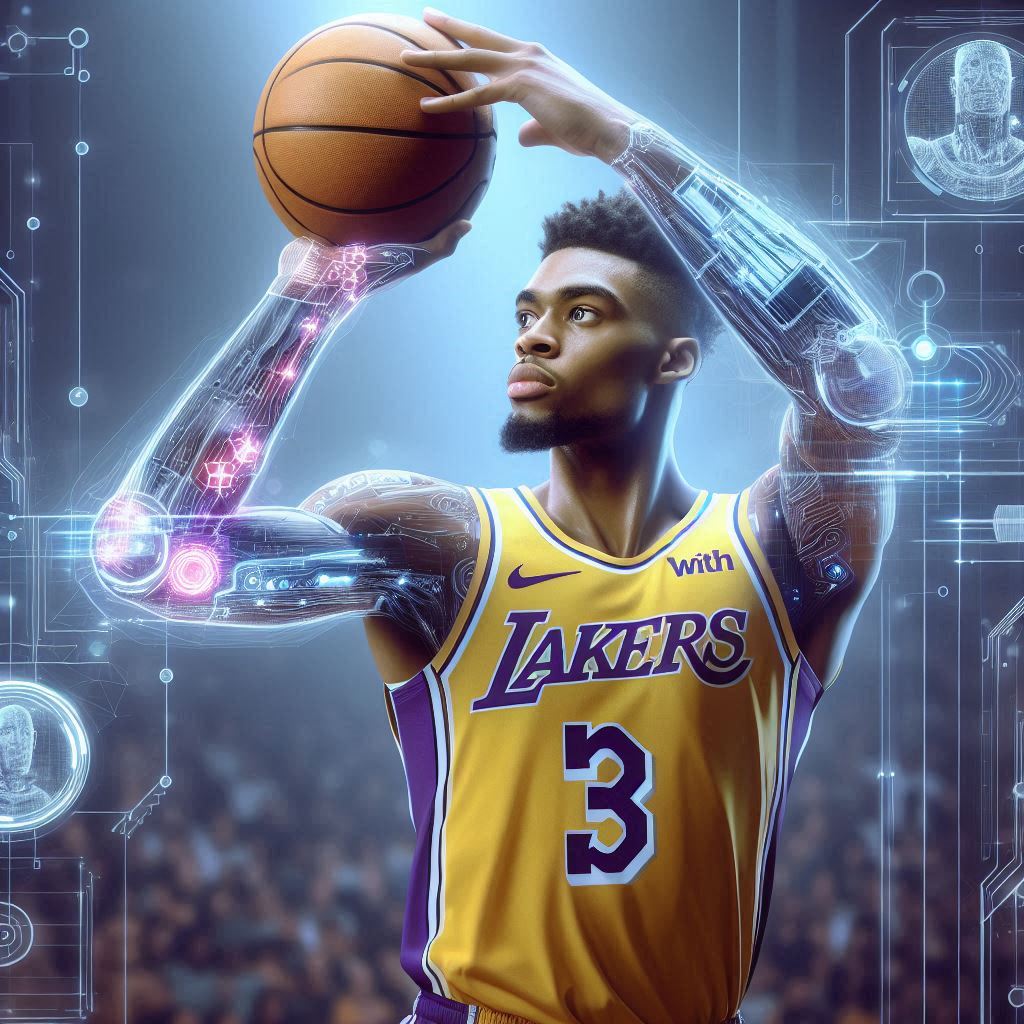
In the modern era of sports, data is nearly as valuable as talent. As basketball evolves into a more analytics-driven game, two emerging technologies—blockchain and artificial intelligence (AI)—are offering transformative ways to optimize athlete performance and refine coaching strategies.
🤖 AI: The Brain Behind Performance Optimization
AI excels at making sense of large volumes of data. In basketball, this includes but is not limited to:
- Shot accuracy by zone
- Defensive movement patterns
- Reaction times
- Player fatigue indicators
- Injury risk prediction
By analyzing in-game and training session data, AI can detect performance trends and efficiency gaps. For example, AI tools like computer vision and wearables can break down a player’s jump shot form frame by frame, identifying micro-adjustments that may improve consistency.
Use Case Example:
A guard shows a 12% drop in shooting accuracy when defending players come from the left. AI picks up this pattern and recommends tailored drills to address this weakness—giving that player a measurable performance boost.
🧠 AI for Coaches: Scouting and Strategy
For coaches, AI-powered tools provide deep insights into both their own team and opponents.
- Play recognition: AI systems can watch game footage and label each possession by type (e.g., pick-and-roll, isolation, zone defense).
- Tactical suggestions: AI compares past matchups and simulates different lineup combinations to predict which defensive sets will neutralize an opponent’s offense.
- Opponent weaknesses: AI can flag patterns like a team’s tendency to overcommit to screens or struggle in transition defense.
Use Case Example:
Ahead of a playoff game, an AI model identifies that the opponent’s bench unit allows 1.5 more points per minute than their starters. A coach could then stagger lineups to exploit that window and build a lead.
🔗 Blockchain: Secure, Transparent, and Decentralized Data
While AI analyzes data, blockchain protects it. Blockchain is a distributed ledger that ensures the integrity, privacy, and ownership of data—a vital concern when it comes to sensitive athletic and biometric records.
🔐 Data Ownership and Athlete Control
Using blockchain, athletes can store personal performance data in a decentralized system, giving them full control over who can access it. This is especially relevant when switching teams, signing endorsement deals, or working with independent trainers. Players must demand ownership of this data when negotiating contracts.
Use Case Example:
A player recovering from injury uses a wearable that collects rehab data. That data is written to a private blockchain. The athlete shares selective access with their team’s medical staff while keeping full control of the record, avoiding leaks or unauthorized analysis.
🔄 Interoperability and Smart Contracts
Smart contracts—self-executing programs on the blockchain—can automate and enforce agreements.
- Performance-based bonuses: A contract could be tied to verified performance metrics (e.g., scoring 20+ points in 10 consecutive games).
- Training commitments: Athletes can log their workouts via blockchain-based platforms that timestamp and verify effort, giving coaches confidence in off-season commitments.
Use Case Example:
A summer training program uses blockchain to verify players’ completion of drills. AI analyzes the submitted footage and scores it, while the blockchain logs the results in tamper-proof fashion—creating trust between coaches and players, even when miles apart.
🧬 The Power of the Combo: AI + Blockchain
Individually, AI and blockchain each provide value—but together, they become a powerful force:
| Task | AI Role | Blockchain Role |
|---|---|---|
| Injury prediction | Analyze biometric trends | Secure the source data |
| Game prep | Analyze video and stats | Certify footage origin |
| Player development | Tailor skill improvement plans | Store verified progress logs |
| Scouting | Compare player data across teams | Enable trusted cross-org data sharing |
📊 Real-World Example: A Future Training Scenario
Imagine this:
- A player wears a smart shirt and AR glasses during a practice session.
- AI tracks shooting mechanics, dribble speed, and lateral movement.
- After the session, AI generates a personalized performance report.
- That report is encrypted and stored on a blockchain.
- The player shares access with their personal trainer and team coach.
- Smart contracts automatically update team dashboards and player health status if pre-set performance benchmarks are hit.
All of this happens without risking privacy or data tampering, ensuring that both the athlete and coaching staff operate on trustworthy, actionable information.
🏗️ What’s Needed for This to Work?
Despite the potential, a few conditions must be met:
- Infrastructure Investment: Teams must adopt smart wearables, AI platforms, and secure blockchain networks.
- Education: Players and coaches need training to understand and trust these technologies.
- Cross-platform Standards: Interoperability between AI and blockchain systems across leagues is key.
- Data Privacy Regulations: Systems must comply with health and privacy laws (e.g., HIPAA, GDPR).
🚀 The Future of Smart Basketball
Basketball is already a fast, intelligent game. With the strategic application of AI for insight and blockchain for trust, the sport can move into a new era—where data doesn’t just describe performance, but actively drives it. For athletes, it means smarter training and greater autonomy. For coaches, it means deeper insights and more effective strategies. For the game? It means more precision, fewer injuries, and higher levels of play.
Until next time,
Yogi Nelson


 Blockchain & AI Forum