
The Tokenization Revolution No One Saw Coming (Except Us)
by Yogi Nelson
For centuries—better said, thousands of years—metals have functioned as the backbone of global trade, monetary systems, industrial expansion, and national security. You want a strong industrial base — you need metals. You want a strong national defense — you need metals. You want to be a world leader in tech — you need metals. You get the picture.
As we commence 2026, the green sprouts of a revolution are emerging. What revolution? Merely the tokenization on the blockchain of the oldest asset class on the planet — that’s all! Gold, silver, platinum, copper, lithium, nickel, cobalt, and even rare earth elements are now entering a transitional phase where ownership, settlement, collateralization, and verification can occur digitally—without compromising the physical integrity or custody of the underlying metal. Finally, a real financial use case for blockchain that doesn’t involve a silly meme coin void of value. But listen, this movement is not a marketing trend. It’s a structural realignment.
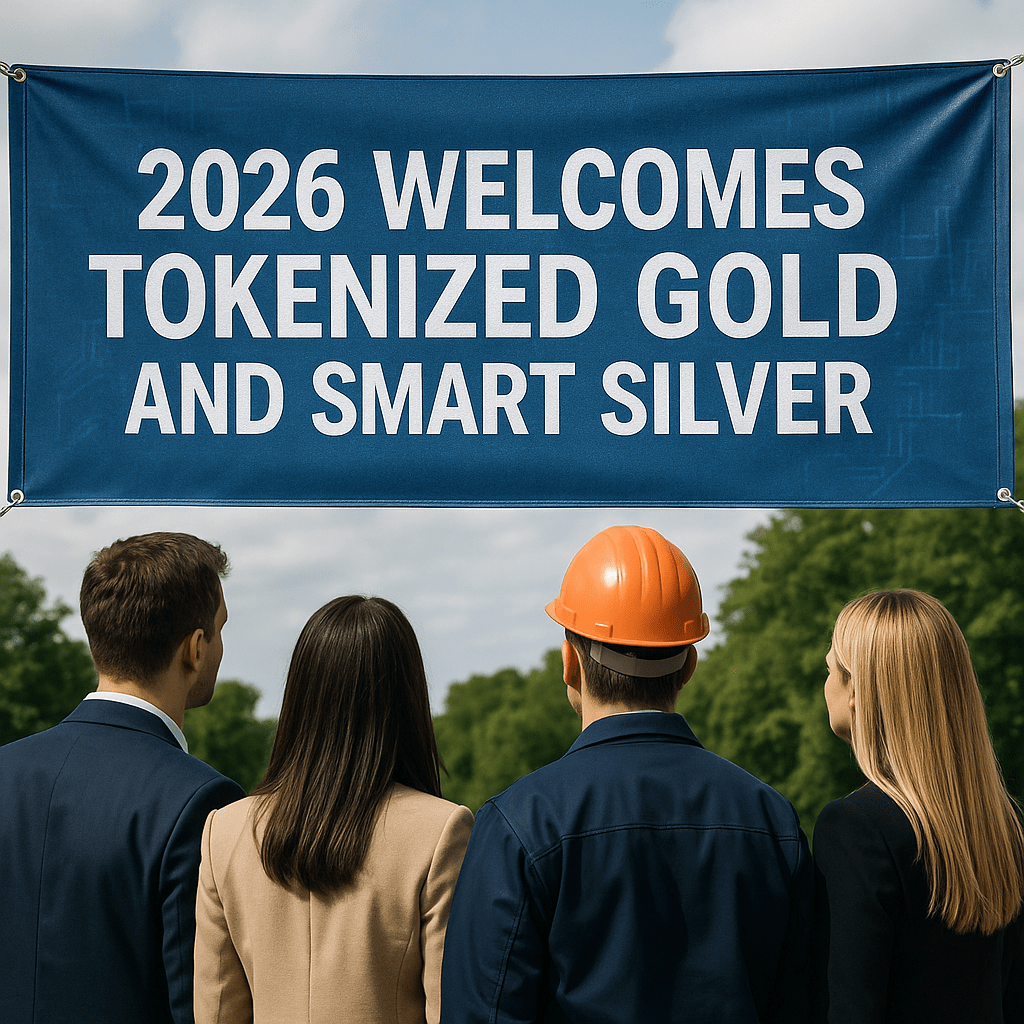
It’s true, tokenized metals are still early. However, they are no longer theoretical. Why the claim? Volumes are rising. Institutional interest is accelerating. Regulatory clarity is forming. And underlying technologies—AI, digital twins, satellite monitoring, cryptographic attestations—are modernizing the mining and metals supply chain across its entirety.
Hooked? I am. That’s why I’m proud to publish this first edition of a year-long series designed to help you understand where tokenized metals stand today, how fast they are evolving, and what comes next.
THE TOKENIZED METALS LANDSCAPE 2026
Gold: The First Mover and the Market Leader
Gold was the first major commodity to tokenize and remains by far the largest digital metals market. Gold has become the flagship case study for real-world assets on blockchain. As of early 2026:
– Tokenized gold supply exceeds $1.1–1.3 billion.
– Major issuers maintain audited, on-chain proof-of-reserves.
– Settlement speeds have dropped from days to minutes.
– Gold tokens are increasingly used as collateral in both TradFi and DeFi.
– Sovereign wealth funds and private banks are experimenting with cross-border settlement using tokenized gold.
Silver: The Hybrid Monetary–Industrial Asset
Silver’s tokenized footprint—approaching $200 million—is smaller but growing rapidly. Could silver become the first industrial metal where tokenization gains true operational relevance? If it does, it will be because of:
– Its dual identity as both a monetary metal and an industrial input.
– Volatility that makes it attractive for digital trading.
– Demand for transparent supply chains in solar, electronics, and medical technologies.
Industrial & Energy Metals: The Next Frontier
Lagging behind—but certainly on their way into the tokenization party—are the industrial metals: copper, lithium, nickel, cobalt, graphite, and rare earth elements. Could 2026 be the year industrial metals tokenization shifts from prototypes to production? It’s possible if you consider:
– Blockchain-based EV supply-chain tracking.
– Digital twins of ore bodies.
– On-chain provenance audits.
– Early institutional pilots for tokenized copper and lithium.
WHY TOKENIZED METALS MATTER
Verifiable Physical Backing
Tokenized metals solve longstanding structural problems. A few examples:
– Duplicate or falsified warehouse receipts.
– Fraudulent bars.
– Opaque inventory reporting.
– Slow reconciliation cycles.
Each token represents a precise quantity of metal, which means audits become continuous. Your compliance department will love that. Ownership becomes immutable and transparent. This is not just innovation — it’s risk reduction.
Faster, Global Settlement
Conventional metals markets reflect yesterday’s speed. Today, businesses don’t want 24–72 hours to settle. They want what tokenized metals offer: settlement in minutes, reduced friction, lower operational risk, and far less counterparty exposure.
Interoperability with TradFi and DeFi
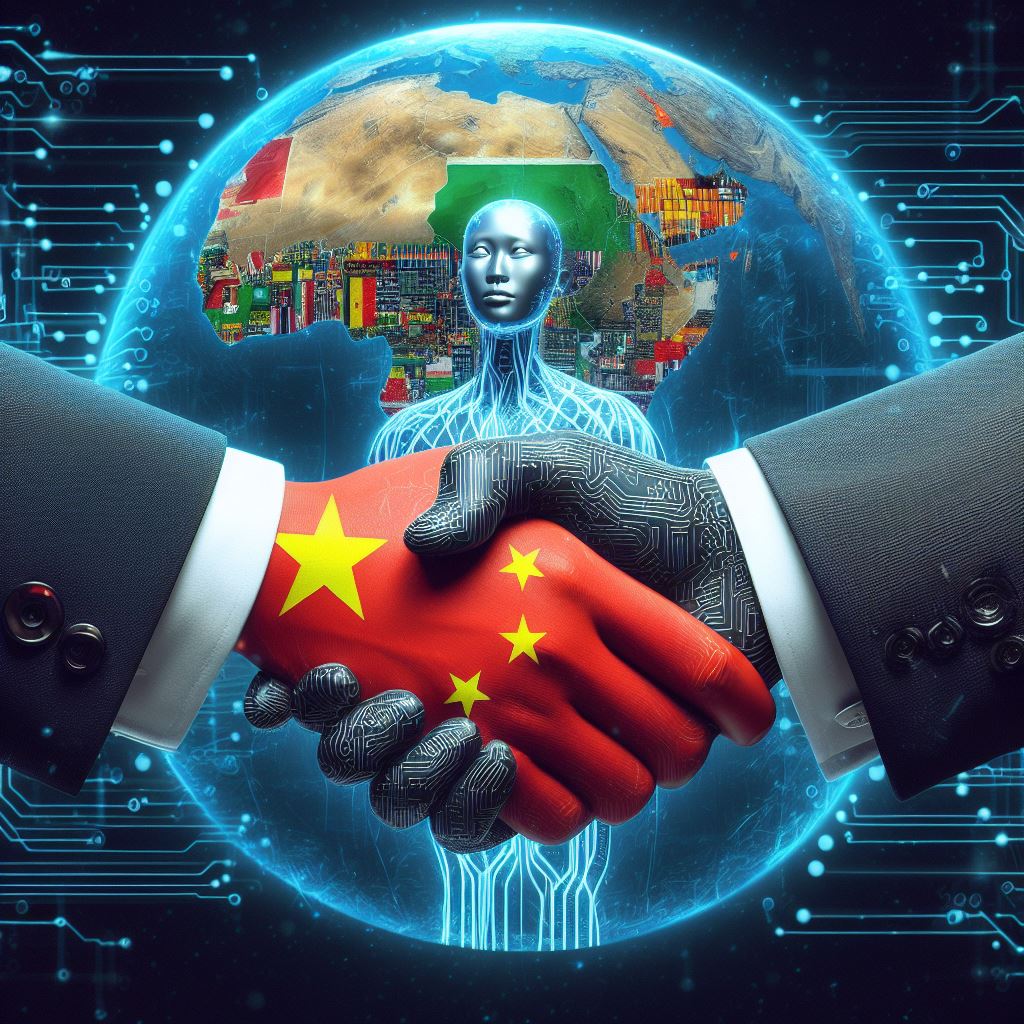
Tokenization is what finally lets TradFi and DeFi shake hands and work together. Tokenized metals can function as:
– Collateral.
– Liquidity instruments.
– Components of stable-value portfolios.
– Cross-border settlement tools.
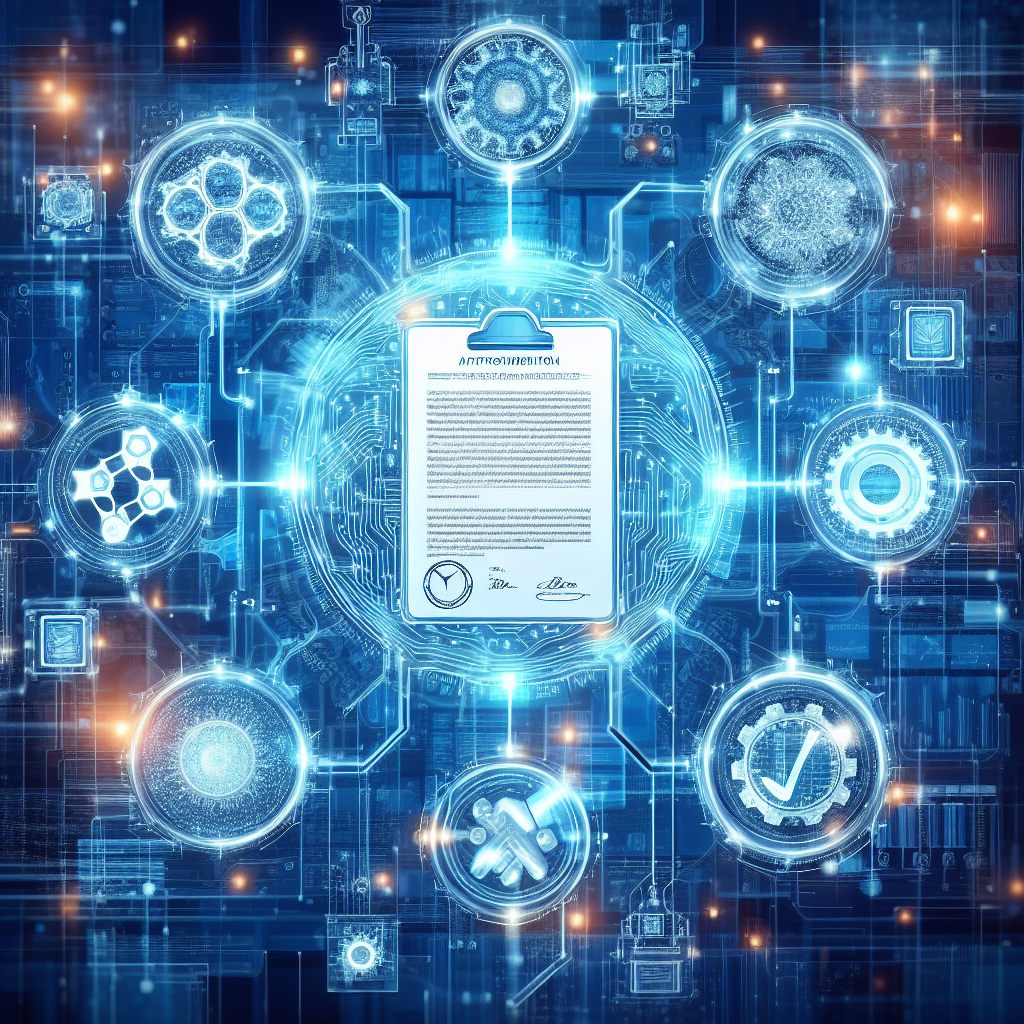
– Programmable assets inside smart contracts.
THE ROLE OF AI AND DIGITAL INFRASTRUCTURE
AI-Driven Discovery and Planning
Until now the focus of this article has been on tokenization. But as the old commercials used to say, “Wait — there’s more.” Combine tokenization with AI and you get advanced:
– Ore detection.
– Geological modeling.
– Predictive maintenance.
– Yield forecasting.
– ESG compliance.
– Mine-safety planning.
Mining is shifting from “drill and hope” to “discover with data.”
Satellite and Sensor-Based Verification
AI closes the trust gap in an industry known for suspicious minds. With remote sensing and IoT devices, metals provenance becomes significantly easier. Why? Because the tech makes metals:
– Traceable.
– Auditable.
– Real-time.
– Fraud-resistant.
REGULATORY MOMENTUM
Functioning markets need clear rules and enforcement. Period. The good news is regulators worldwide are moving toward clearer digital-asset frameworks. Clarity is accelerating adoption — tailwinds now rather than obstacles. Consider:
– The SEC and CFTC refining tokenization guidelines.
– The EU and UK advancing unified RWA standards.
– Asian sovereign funds piloting tokenized metals for FX settlement.
– Commodity exchanges evaluating tokenized settlement layers.
HOW MARKETS ARE ADAPTING
Will the market react favorably to tokenized metals? If tokenization follows the pattern of other assets—and every indicator suggests it will—then yes. Big-time yes. Who is drawn to this emerging market?
– Hedge funds.
– Systematic traders.
– Asset managers.
– Digital-asset allocators.
– Wealth advisors.
Corporations & Treasury
Corporations and treasury teams are also participating in this bullish trend. They are using tokenized metals for:
– Balance-sheet diversification.
– Collateral management.
– Supplier financing.
– Inter-company settlements.
Mining Firms
Mining is an industry begging for modernization. Tokenization delivers part of that modernization. Miners benefit through:
– Lower-cost financing.
– Transparent ESG tracking.
– Real-time inventory visibility.
– Improved supply-chain trust.
– All AI-driven improvements listed earlier.
A STRUCTURAL SHIFT, NOT A TREND
In China, 2026 will be the Year of the Horse. For tokenized metals, 2026 will be the year of tech and AI infrastructure. Horses run fast — tech and AI will enable tokenized metals to run fast for years to come. Expect:
– Gold tokenization becomes mainstream.
– Silver emerges as a hybrid digital–industrial asset.
– Industrial metals advance from pilot to production adoption.
– AI reshapes exploration and operations.
– Regulators provide real structure.
– Institutions embrace digital commodities.
THE JOURNEY AHEAD
Over the next 51 more weeks, this series will explore:
– The mechanics.
– The opportunities.
– The risks.
– The players.
– The economics.
– The geopolitics.
– The technology.
Tokenized metals are entering the global stage. 2026 is the year they become impossible to ignore. I’m glad to have you here for the journey.
— Yogi Nelson
BlockchainAIForum

 Blockchain & AI Forum