
Welcome to the BlockchainAIForum
As the crypto ecosystem continues to evolve, one term that frequently comes up is “staking.” But what exactly does staking mean, and why is it important in the blockchain world? This guide will break down staking in a clear, concise way—covering how it works, who participates, what the benefits and risks are, and what regulators are saying.
🌱 What Is Staking?
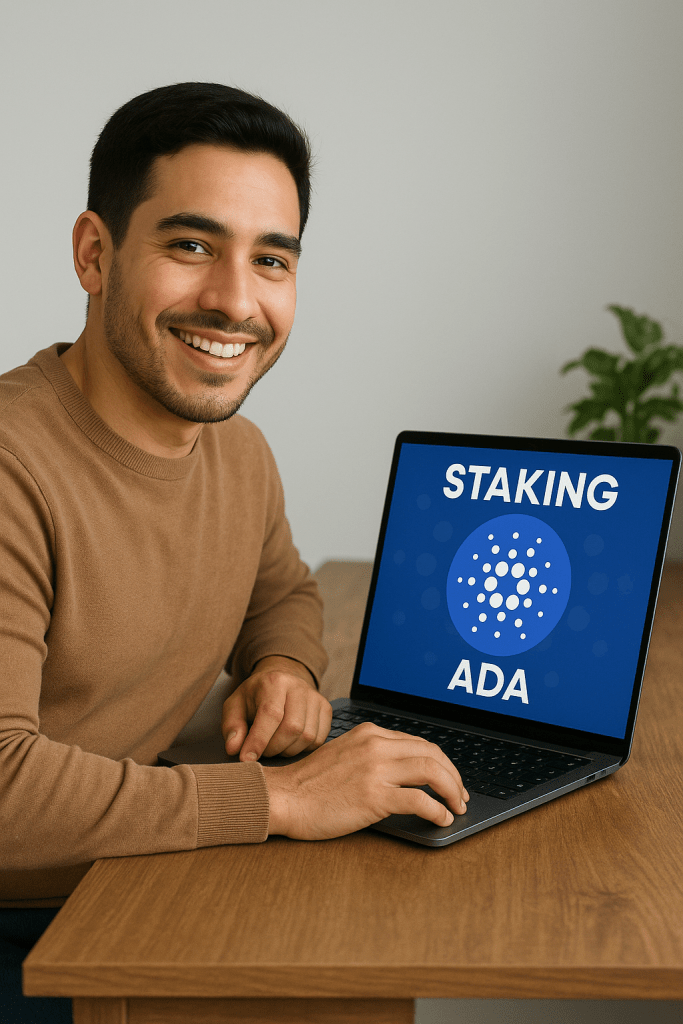
Staking is the process of locking up your cryptocurrency to support the operations of a blockchain network. In return, you earn rewards—usually more of that same cryptocurrency. It’s a bit like earning interest in a traditional savings account, except instead of a bank, you’re helping a decentralized blockchain stay secure and functional.
🧠 How Does Staking Work?
Staking is central to a type of blockchain consensus mechanism known as Proof of Stake (PoS). Unlike Proof of Work (PoW)—which relies on energy-intensive mining—PoS requires users to stake (i.e., lock up) tokens to help validate transactions and secure the network. The more you stake, the higher your chances of being selected to validate blocks and earn rewards. Here’s how it works:
- You hold a PoS-supported cryptocurrency (e.g., Ethereum, Cardano, Solana).
- You lock up your tokens in a wallet or with a staking provider.
- The network selects stakers (or validators) to confirm transactions.
- You earn staking rewards, typically paid out regularly.
Who Can Stake:
Anyone with supported tokens can stake. There are three main ways to participate:
- Solo staking: You run your own validator node. This requires technical expertise and minimum token requirements (e.g., 32 ETH for Ethereum).
- Pooled staking: You join a group of stakers to combine assets and share rewards. Good for beginners.
- Exchange staking: Centralized platforms (like Coinbase or Binance) offer staking-as-a-service.
💰 What Are the Benefits? There are several advantages to staking your crypto.
✅ Earn Passive Income: Stakers receive regular rewards—similar to earning interest. This can be a valuable source of income for long-term holders.
✅ Support the Network: By staking, you’re helping secure the blockchain and process transactions, contributing to its decentralization.
✅ Lower Energy Use: Unlike mining, staking doesn’t require heavy computing power or electricity, making it more environmentally friendly.
⚠️ What Are the Risks? Staking isn’t risk-free. Consider the following before jumping in:
❌ Lock-Up Periods: Some networks require you to lock your tokens for a set period. During that time, you can’t sell or trade them.
❌ Slashing: If a validator behaves maliciously or makes errors, a portion of staked funds may be “slashed” (penalized).
❌ Platform Risk. If you stake through a third party (like an exchange), your funds depend on their security and practices.
❌ Market Volatility. If you stake through a third party (like an exchange), your funds depend on their security and practices.
🏛️ What Are Regulators Saying?
🇺🇸 United States. The U.S. Securities and Exchange Commission (SEC) has raised concerns that staking services offered by exchanges may qualify as unregistered securities offerings. In 2023, Kraken paid a $30 million fine and shut down its staking service for U.S. users. The main issue lies in custodial staking—when a third-party holds users’ assets and manages staking on their behalf. However, with a crypto friendly administration in place the coast is clear!
🇪🇺 Europe. In the EU, regulators are taking a more measured approach, aiming to provide clarity through the Markets in Crypto-Assets (MiCA) regulation. MiCA may allow staking under clear consumer protection guidelines. Regulatory frameworks are still evolving. Crypto users should stay informed and compliant in their respective jurisdictions.
🔍 Tips for Beginner Stakers. If you’re new to staking, follow these best practices:
- ✅ Research the blockchain you want to stake on (e.g., its inflation rate, validator performance, and reward schedule).
- ✅ Use a reputable wallet or exchange with transparent fees and security.
- ✅ Start small to learn how the process works before committing large amounts.
- ✅ Stay updated with network upgrades and policy changes.
🧭 Popular Staking Coins. Here are a few major cryptocurrencies that support staking:
| Coin | Network | Est. Annual Reward |
|---|---|---|
| Ethereum | Ethereum 2.0 | ~3–5% |
| Cardano | ADA | ~3–6% |
| Solana | SOL | ~5–8% |
To stake, or not to stake, that’s the question. By now you should know the answer.
Until next time,
Yogi Nelson

 Blockchain & AI Forum