
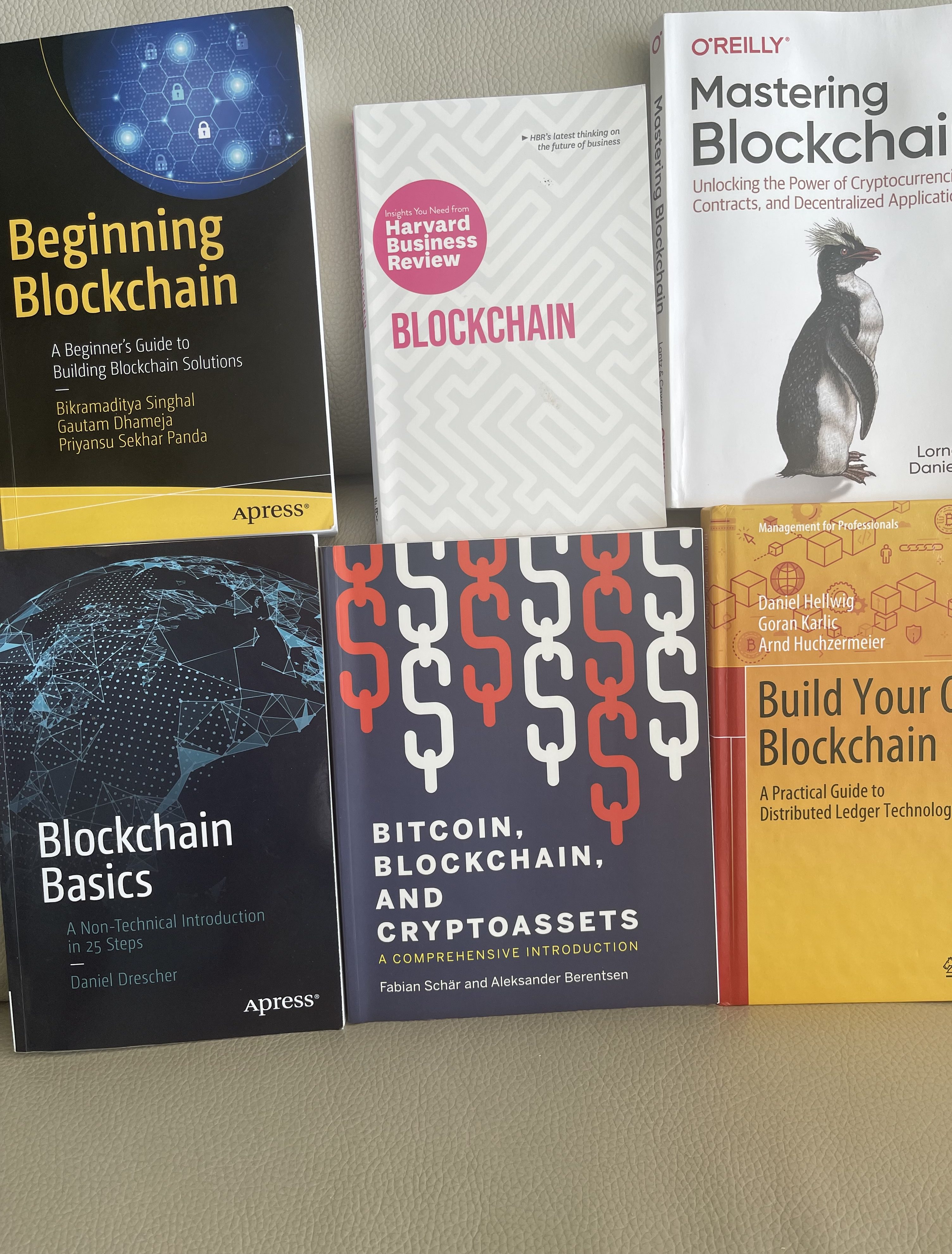
by Yogi Nelson
Welcome to the BlockchainAIForum
Origins and Development
Solana was founded in 2017, in Solana, California, (a beautiful seaside community in San Diego) by Anatoly Yakovenko, a former Qualcomm engineer with deep expertise in distributed systems! Perhaps while surfing the Pacific Ocean or surfing other blockchains, Yakovenko recognized a fundamental limitation in blockchain adoption: transaction speed. Traditional networks like Bitcoin and Ethereum were reliable but often slowed by scalability issues. Yakovenko decided to take action!
The Solana team developed the Solana blockchain as a high-performance, permissionless network. Its first main-net beta launched in March 2020, setting new benchmarks for throughput and cost efficiency. With support from investors such as Andreessen Horowitz, Multicoin Capital, and Alameda Research, Solana quickly rose to prominence as a blockchain built for mass adoption.

What Makes Solana Unique?
At the heart of Solana’s appeal is Proof of History (PoH), a novel consensus mechanism. Unlike other blockchains that rely solely on Proof of Stake (PoS) or Proof of Work (PoW), Solana integrates PoH as a cryptographic clock that orders transactions before they enter the consensus process. This allows nodes to process transactions in parallel, reducing bottlenecks and dramatically increasing efficiency.
Key advantages include:
• Speed: Solana claims the ability to process over 65,000 transactions per second (TPS)—a level comparable to Visa’s payment network.
• Low Fees: Average transaction costs are fractions of a cent, making it ideal for microtransactions, NFTs, and DeFi activity.
• Scalability: Unlike Ethereum, which has often relied on Layer 2 scaling solutions, Solana is designed to scale natively on Layer 1 without sharding.
✅ Pros of Solana
• Blazing-fast transaction throughput supporting real-world financial and gaming applications.
• Extremely low fees, lowering barriers for developers and users.
• Developer-friendly ecosystem with robust SDKs and tools.
• Growing adoption in DeFi, NFTs, and Web3 gaming.
⚠️ Cons of Solana
• Network outages: Solana has faced several high-profile downtimes, raising concerns about reliability.
• Hardware demands: Running a validator node requires more powerful (and costly) hardware than many other blockchains.
• Centralization risk: While technically permissionless, Solana has been criticized for validator concentration compared to Ethereum’s larger decentralized base.
Who is Using Solana?
Solana has become a hub for NFTs, DeFi protocols, and gaming applications. Some highlights include:
• NFT Marketplaces: Magic Eden and Solanart compete with Ethereum’s OpenSea, attracting artists and collectors with low minting costs.
• DeFi Projects: Protocols like Serum, Raydium, and Mango Markets run on Solana.
• Web3 Gaming: Projects such as Star Atlas are building expansive metaverse-style games on the network.
• Payments: Companies like Circle integrated USDC stablecoin on Solana, enabling faster and cheaper transactions.
Even mainstream companies have dipped their toes in. For example, Stripe has piloted crypto payments on Solana, while Helium Network migrated its entire IoT ecosystem to Solana in 2023.
Future Prospects
The future of Solana hinges on whether it can resolve its stability and decentralization concerns while continuing to scale. If successful, Solana has the potential to:
• Serve as a global payment rail rivaling traditional financial networks.
• Become the default home for Web3 gaming due to its speed and low fees.
• Expand as a platform for NFT innovation, especially as artists seek cheaper alternatives to Ethereum.
• Play a critical role in DeFi infrastructure, powering everything from decentralized exchanges to lending markets.
Analysts suggest that Solana’s long-term success will depend on improving uptime reliability and building out a larger, more geographically distributed validator base. If achieved, Solana could position itself as the fastest, most affordable Layer 1 blockchain—a true contender to Ethereum’s dominance.
Conclusion
Solana has established itself as one of the most compelling blockchain projects in the industry. With its unique consensus model, ultra-fast speeds, and low fees, it provides a fertile ground for innovation across DeFi, NFTs, and Web3 gaming. While risks remain—particularly around reliability and centralization—the project continues to attract developers, investors, and enterprises.
If Solana can overcome its growing pains, it may well define the next era of blockchain adoption, moving the industry closer to mainstream scale and usability.
The next time you are in the San Diego area, drop by Solana–its beautiful and the place where Solana, the blockchain company started.
Until next time,
Yogi Nelson

 Blockchain & AI Forum
Brilliantly written, Yogi! ⚡ Your breakdown of Solana’s architecture — especially the Proof of History mechanism — makes the technical side of blockchain innovation so much easier to grasp. The balance between speed, scalability, and decentralization you highlight is exactly what defines the next phase of crypto evolution. I’ve been exploring similar advancements through cryptoflash2.com, where the focus is on ultra-fast Bitcoin and USDT transactions — it’s amazing how Solana’s low-cost framework aligns with that vision of real-time blockchain efficiency. 🚀
LikeLiked by 1 person