
by Yogi Nelson
Welcome to the BlockchainAIForum
🎨 Introduction
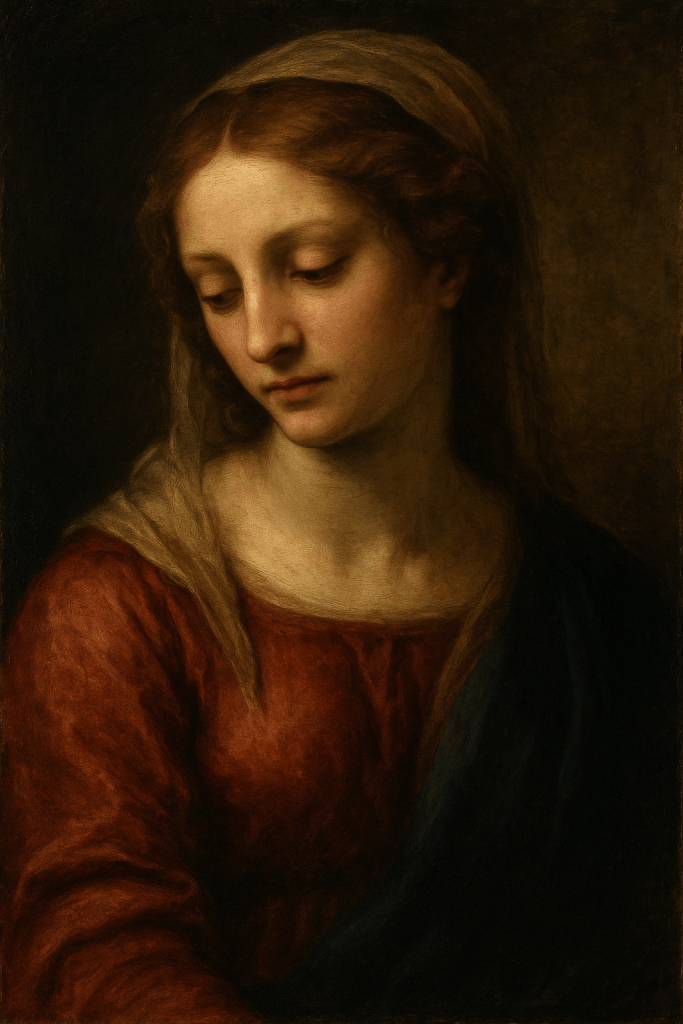
This article is inspired by my recent trip through Italy where I saw countless museums and art. I would have love to buy fine art–but that’s too expensive. Hopefully, one day, I will buy fine. When that day arrives, blockchain technology will be involved. I say this with confidence because blockchain technology is transforming the world of fine arts. From enhancing transparency and provenance to enabling fractional ownership and new marketplaces, the potential is vast. The paper *Blockchain Technologies and Art: Opportunities and Open Challenges* by Giannoni, Medda, and Bartolucci offers a comprehensive analysis of these developments.
🧩 Provenance & Authenticity: The Foundation
One of the most compelling applications of blockchain in fine art is the creation of immutable provenance records. Artworks often change hands many times, with incomplete or falsified documentation. Blockchain can record each transfer, certificate, restoration, or exhibition in a tamper‑proof ledger. This helps dealers, auction houses, insurers, and collectors verify authenticity and ownership with confidence. Verified provenance improves valuation and reduces risk of forgery. For example, platforms like Verisart and Artory are using blockchain to register provenance data, trusted by Christie’s and other institutions. As the Russian proverb says: “trust but verify”.
⚖️ Tokenization & Fractional Ownership
Blockchain enables tokenization—the process of issuing digital tokens representing fractional shares of a high‑value artwork. One early example involved Maecenas and Dadiani Fine Art offering fractions of Andy Warhol’s *14 Small Electric Chairs* to investors via cryptocurrency, raising approximately USD 5.6 million for 31.5 % of the piece. Fractional ownership democratizes access to fine art investments. Small investors may gain exposure, while sellers unlock liquidity without relinquishing full ownership. Smart contracts govern rights, royalties, and resales transparently.
🛒 New Marketplaces & NFTs
The rise of NFTs (non‑fungible tokens) expanded blockchain’s role in art. Digital artists can mint unique tokens linking their works to ownership metadata stored on-chain. Buyers gain provable ownership and can resell or collect in digital galleries. Meanwhile, physical artwork marketplaces such as Maecenas offer tokenized shares, while traditional platforms like Christie’s partnered with blockchain registries (e.g., Artory) to record sales and provenance data. Smart contracts automate sale escrow, royalty distribution, and transparency in auctions.
✅ Benefits: Transparency, Trust & Efficiency
Each transaction or transfer becomes visible and verifiable. Market actors gain confidence in the authenticity and history of artworks, reducing fraud and enhancing trust across buyers, sellers, insurers, and appraisers. Tokenization enables fractional participation, widening the pool of investors. Liquid secondary markets can form for art shares, transforming what was once a highly illiquid asset class. Self‑executing contracts manage transfers, royalties, and compliance automatically. Artists can receive resale royalties encoded in tokens, enforcing payments transparently when pieces trade.
⚠️ Challenges & Risks
Giannoni et al. emphasize that adoption in fine art is not without obstacles.
• Legal & Regulatory: Fractional ownership raises legal questions about securities rules and investor protections.
• Authentication Reliability: On‑chain provenance is only as reliable as the data entered.
• Technical & Scalability: Blockchain networks face scalability challenges.
• Market Adoption: Integrating blockchain into traditional systems remains slow.
🌍 Case Studies: Platforms in Focus
• Verisart – focused on provenance and certification, enabling artworks to be registered immutably with blockchain-backed certificates.
• Maecenas – a marketplace offering tokenized fractional shares in blue‑chip artworks, bridging collectors and art investors.
🔍 Emerging Trends & Future Directions
• Zero‑Knowledge Proofs & Data Privacy
• Sustainable Standards
• Green Blockchain & Carbon Footprint
• Secondary Royalties & Artist Rights
• Institutional Integration
🧭 Conclusion
Blockchain promises meaningful transformation in the world of fine arts—by improving provenance, enabling fractional investments, creating new marketplaces, and enhancing trust through automation. Yet challenges remain: regulatory clarity, standardization, data quality, and broader infrastructure integration. Blockchain-based solutions like provenance registries and tokenized marketplaces are no longer theoretical—they are operating today. For art professionals, collectors, technologists, and policymakers, this evolution signals the beginning of a more transparent, accessible, and resilient art market.
See you at the art gallery!
Until next time,
Yogi Nelson
 Blockchain & AI Forum