
Gold was the first precious metal to be tokenized.
Silver followed, bridging money and industry.
Platinum is next—but for very different reasons.
Unlike gold or silver, platinum is not driven by monetary tradition or investor psychology. It is driven by necessity. Platinum is essential to emissions control, chemical processing, medical technology, and the emerging hydrogen economy. Modern industry quite literally depends on it.
Platinum is also exceptionally scarce. Annual global production is under 200 metric tons, with supply concentrated in just two countries. That combination—industrial indispensability and constrained supply—creates unique market risks that legacy financial infrastructure does a poor job of addressing.
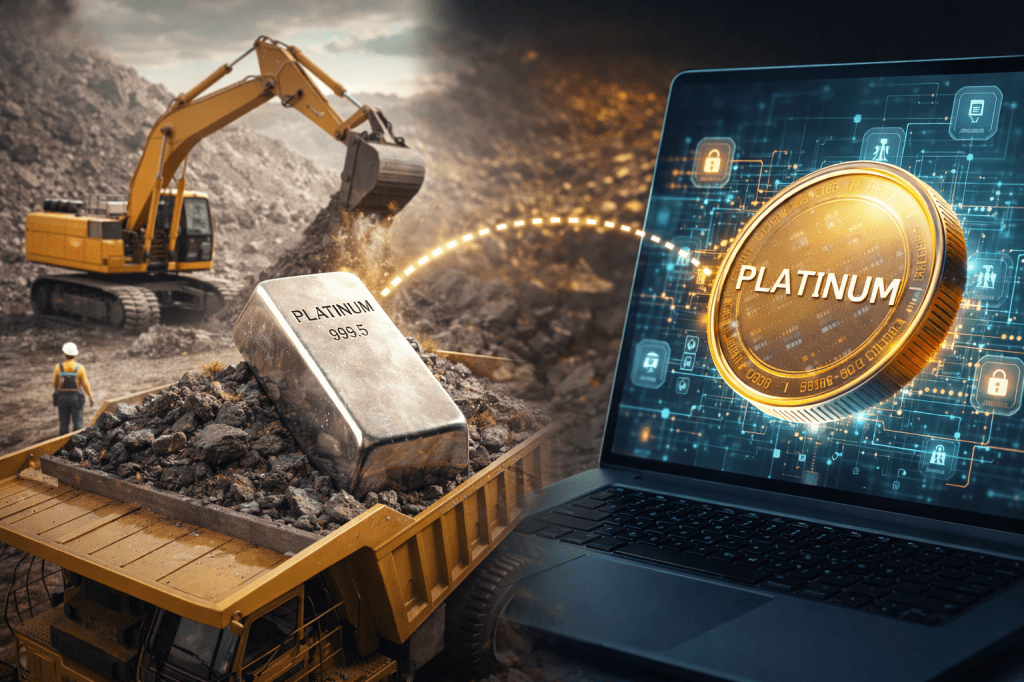
This is where tokenization matters.
Tokenized platinum allows verified, assayed metal to be represented on-chain, enabling:
• Transparent ownership
• Faster settlement
• Fractional access
• Global reach
• Improved supply-chain visibility
Unlike ETFs or futures, tokenization is not synthetic exposure layered on top of complexity. It is direct, auditable access to a critical real-world asset.
Platinum may never be flashy. It does not need to be. Its role is quieter, more technical, and more permanent.
As real-world asset tokenization matures, platinum stands out as a metal not built for speculation—but built for the real economy. For the long version of this article visit my blog: https://yogapuertorico.wordpress.com/wp-admin/post.php?post=2607&action=edit
—
Yogi Nelson

 Blockchain & AI Forum