
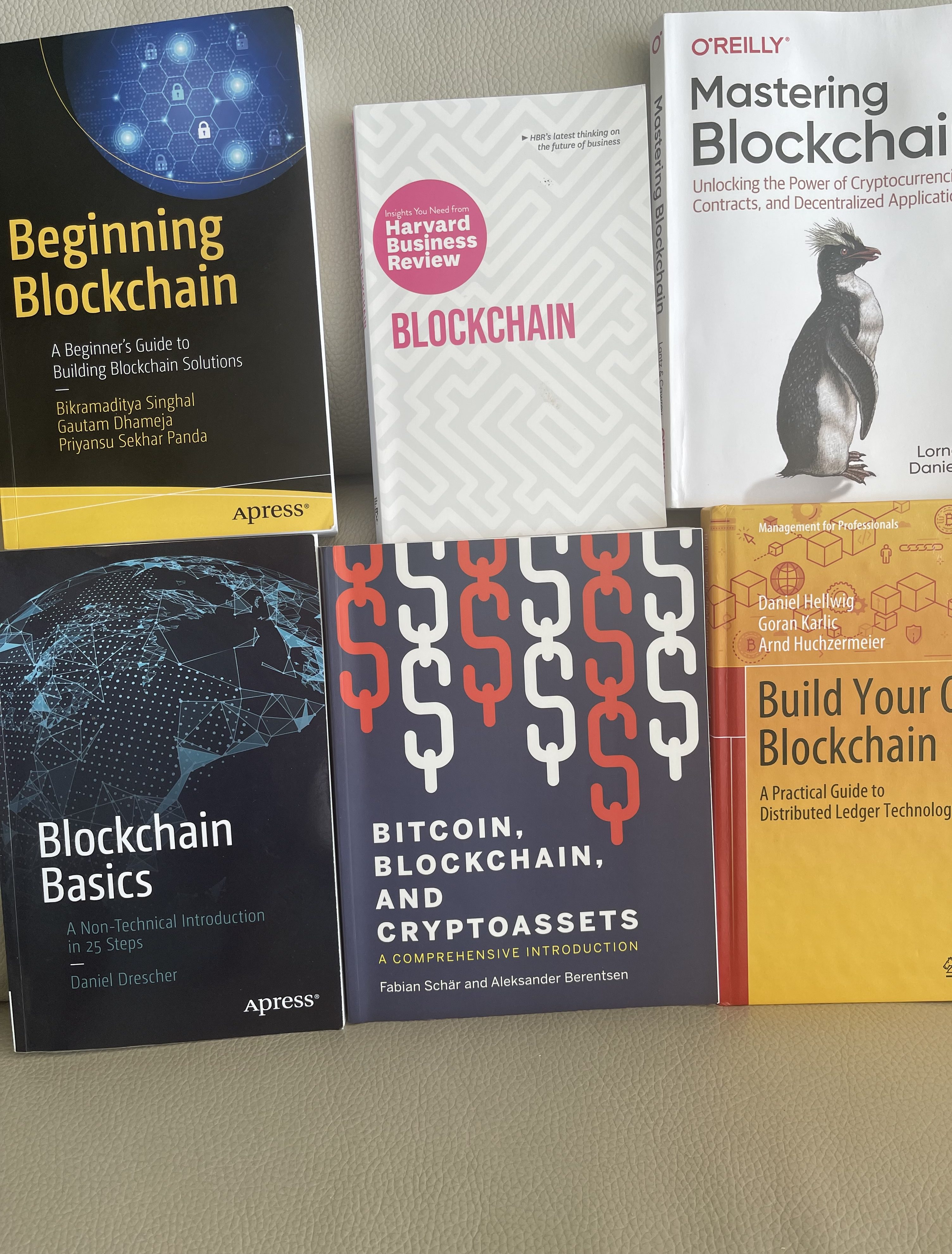
Namaste Friends. Welcome to the Blockchain & AI Forum, where your blockchain and artificial intelligence technology questions are answered, mostly correct! Here no question is too basic nor simple. As a bonus, a proverb is included at the conclusion of every article. Today’s question was submitted by Wanda and she wants to know: What is a blockchain?
Wanda you came to the right place. Let’s walk one step at a time. There are hundreds of blockchains. “The blockchain” does not exist. Blockchains are categorized into one of four classes. Of the four types, public and private are most common, and the remaining two are consortium and hybrid.
Blockchain technology is computer software. Blockchains are essentially advanced databases or put another way blockchains are digital ledgers. What’s more, blockchains are databases that are shared over the internet. That’s the headline but of course there is more.
Blockchains exhibit certain characteristics. First, a blockchain must be immutable, meaning the contents of a published block cannot be changed. Changing even one letter within a record of a blockchain will trigger an entirely new unique identifier number thus causing that block to break its link to the previous block and breaking the chain.
Second, blockchains are append only. Adding a new block to the end of the chain is of course permitted. However, it is impossible to insert a new block in between two existing blocks. In other words, if the chain has 15 blocks, adding a 16th is permitted to the tail of the chain but it is not possible to slip a new block in between blocks 7 and 8, for instance.
You might ask, given the shared nature of blockchains and the fact there is no central authority in public blockchains, how do blockchains know what is correct? That is the right question, and the answer is blockchains have a method for getting the network to reach agreement known as the consensus algorithm. There are several consensus methods, the two most common are proof of work (Bitcoin) and proof of stake (most all other blockchains). Now, what are blocks?
A “block” is a list of transactions. Transactions are recorded onto a block over a pre-determined period. Block size and time permitted to fill blocks varies from blockchain to blockchain. Image a block as a book and each page as a transaction. Once the book reaches maximum capacity, or the time expires to fill the block, the “book”/block in the queue is time stamped and sealed. The block is then given a unique identifier and connected to the previous block thus forming a chain of blocks known as blockchain. YEAH! But there’s more.
Block 1 is connected to Block 2, Block 2 to Block 3, etc. Blocks are connected through a “chain”. The “chain” in blockchain is a series of hash tags produced by cryptography. Basically, hashes are fingerprints that lock blocks onto the chain in order and time. Hashing creates a one-way function that cannot be decrypted resulting in maximum security!
Wanda, I hope I answered your question. I would be disappointed if I violated the Turkish proverb of being a guide to a village that is visible in the distance.
Until next time.
Yogi Nelson

 Blockchain & AI Forum